The short answer
Business loans by industry in NZ are matched to how each sector earns and spends. Builders fund materials before progress payments land, farmers bridge seasonal income, retailers stock up before peaks. LoansOne arranges unsecured loans from $20,000 to $500,000 and 1st or 2nd mortgages from $20,000 to $500,000 to suit.
Why does your industry matter when you apply for a business loan?
A lender isn’t only looking at your numbers. It’s looking at how your sector makes money. A builder waits on progress claims, a café lives on daily EFTPOS takings, a kiwifruit grower may wait months between harvest and the final payment. Each pattern creates a different cash flow gap, and each gap suits a different kind of finance.
That’s the thinking behind these industry pages. Instead of a one-size loan, they explain what Kiwi business owners in each sector typically fund, where the cash pressure really sits, and which finance options tend to fit. LoansOne then matches you to the right lender for your situation, rather than spraying your application across dozens of lenders.

What finance options work across every industry?
Whatever you do, most funding falls into a few families. Here’s how they line up:
| Option | Security | Amount through LoansOne | Best for |
|---|---|---|---|
| Unsecured business loan | None in most cases | $20,000 to $500,000 | Fast working capital, no property needed |
| Cash flow loan | Assessed on trading | Within unsecured range | Smoothing gaps between income and costs |
| 2nd mortgage | Property, behind your bank | $20,000 to $500,000 | Larger sums, bad credit OK, no financials needed |
| 1st mortgage | Property, first ranking | $20,000 to $500,000 | When the bank is too slow or says no |
| Equipment finance | The asset itself | Varies by asset | Utes, trucks, machinery and gear |
Every loan is priced on your circumstances, and the team works to get the sharpest rate available for your situation.
Which industries do we cover?
Construction and trades
Builders, sparkies, plumbers and subbies juggle progress payments, retentions and material bills that land before the client pays. See business loans for builders.
Hospitality
Cafés, restaurants and bars fund fit-outs, kitchen gear and the long winter lull. See hospitality business loans.
Retail
Shops need stock in the door well before Christmas and other peak trading periods. See retail business finance.
Ecommerce
Online stores pay for inventory and advertising weeks before sales come back. See ecommerce business loans.
Transport and logistics
Operators carry fuel, RUC and wages while customers pay on the 20th of the following month or later. See transport business finance.
Agriculture and farming
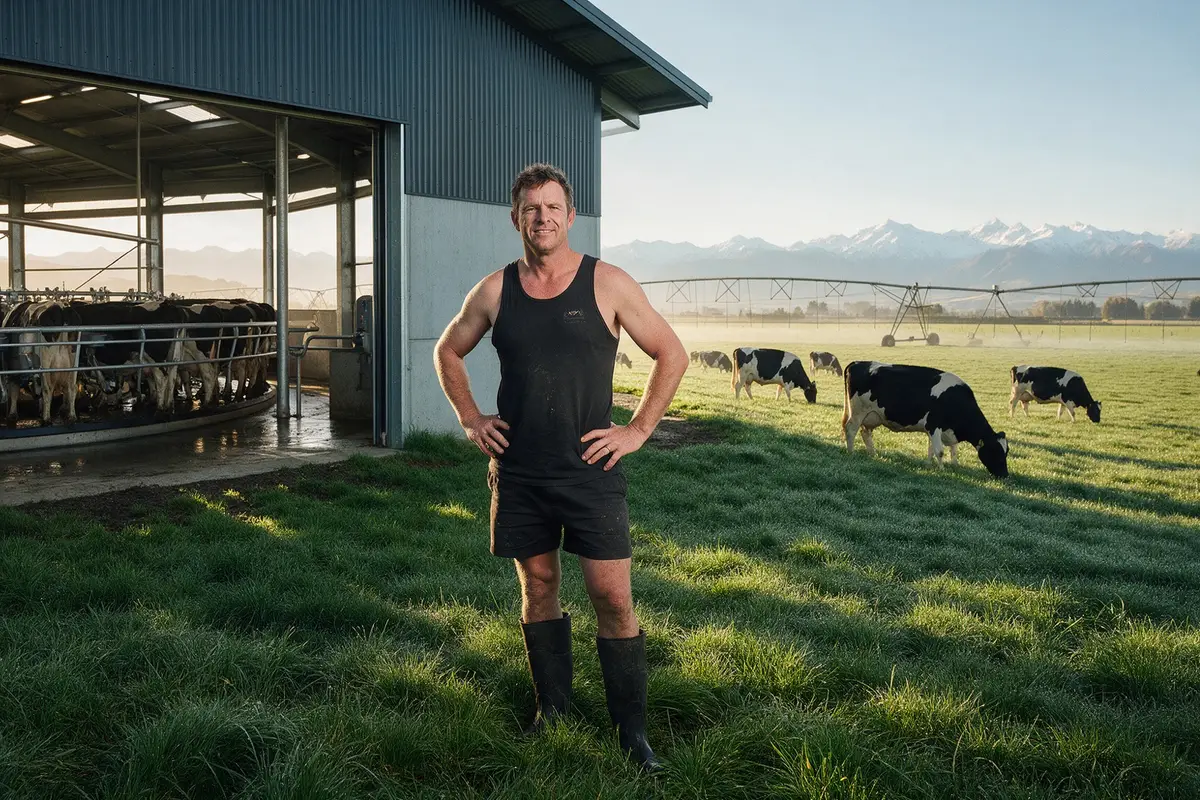
Dairy, sheep and beef, horticulture, viticulture and rural contractors all deal with lumpy seasonal income. See farm business loans.
Manufacturing
Manufacturers fund raw materials, plant and the gap created by a big new order. See manufacturing business loans.
Medical and dental
Practices invest in fit-outs, imaging and chairs, or fund a buy-in. See medical practice loans.
Professional services
Accountants, lawyers and consultants carry work in progress and partner buy-ins. See professional services business loans.
Tourism
Operators prepare vehicles, vessels and staff before the season starts. See tourism business loans.
Automotive
Workshops upgrade hoists, diagnostic gear and premises. See automotive business finance.
Beauty and wellness
Salons, clinics and gyms fund fit-outs, equipment and expansion. See salon business loans.
How do lenders assess different industries?
Lenders ask the same core questions of every business, but the weighting changes by sector:
- Income pattern: steady weekly takings read differently from three big harvest payments a year.
- Payment terms: businesses paid on long terms need more working capital than cash businesses.
- Asset strength: machinery, vehicles and property can support secured lending.
- Recent trading: many private lenders lean on your last few months of bank statements rather than old annual accounts.
If your financials are behind or your credit file has blemishes, property-backed options like a 2nd mortgage can still work, because they don’t need cash flow or financial records.
How do you choose the right loan for your sector?
Start with what the money is for and when it will come back. A short gap suits short-term funding; a long-lived asset suits longer finance. The loan matcher gives you a quick steer, and the cash flow gap calculator shows how big the hole really is before you borrow. Our guide to seasonal business cash flow covers the quiet-month problem in more depth.
What if your industry isn’t listed?
You can still apply. LoansOne works with business owners right across New Zealand, from cleaning companies and security firms to childcare centres and IT contractors. The same principles apply: show how the business earns, what the money is for and how it will be repaid. If you’re unsure where to start, the loan readiness check shows what you have ready and what to gather.
Next step
Pick your industry above for the detail, or skip straight ahead and apply in about 30 seconds. It’s free, it won’t mark your credit file, and an expert reviews every application before the right lender makes contact. Prefer to talk it through? Call 09-888 5252.