
The short answer
An unsecured business loan in NZ is finance approved on your business's trading performance rather than on property. LoansOne arranges unsecured business loans from $20,000 to $500,000, with no real estate security required in most cases. Lenders mainly review bank statements and trading history, and next-day funding is possible once approved.
What is an unsecured business loan?
An unsecured business loan is money lent to your business without a mortgage over property. The lender isn’t looking at your house or your building. It’s looking at your business: how much comes in, how steadily, and whether the repayments fit comfortably inside what’s left over.
That makes it the most straightforward way for most Kiwi businesses to borrow. LoansOne arranges unsecured business loans from $20,000 to $500,000, with no real estate security required in most cases.
It’s also the broadest product on the market. You’re not limited to buying a specific asset or clearing a specific bill. If there’s a sound business reason for the money, an unsecured loan can usually cover it.
Who is an unsecured business loan right for?
Unsecured lending works best for businesses with a steady trading pattern and a clear use for the money. It tends to suit:
- Owners who lease their premises. No commercial property to borrow against, and no wish to involve the family home.
- Homeowners who’d rather keep the house out of it. Plenty of owners have equity and still choose unsecured for peace of mind.
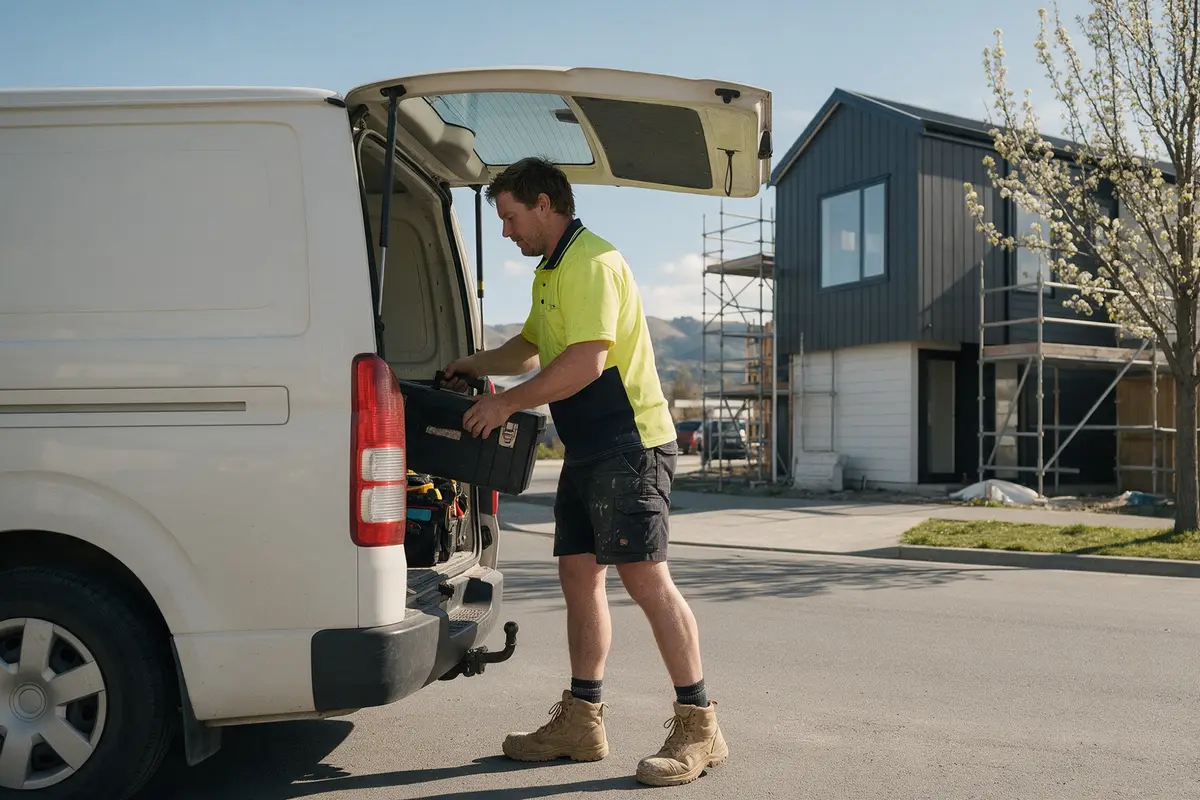
- Service businesses and tradies. Electricians, plumbers, cleaning firms, consultants and agencies with good cash flow but few hard assets.
- Retail and hospitality operators. Daily takings show up clearly in bank statements, which is exactly what unsecured lenders want to see.
- Online sellers. Consistent platform payouts make a strong case.
It’s less suited to brand-new businesses with no trading history yet. Our startup business loans page covers more realistic options for that stage.
How do lenders assess you without security?
Without property to fall back on, the lender’s whole focus is your ability to repay. Expect them to look at:
- Recent bank statements. Usually the last few months of your main business account. They want regular deposits, a healthy average balance and few dishonoured payments.
- Trading history. How long you’ve been operating. Longer is better, but it doesn’t have to be years.
- Existing commitments. Other loans, asset finance, merchant advances or an IRD arrangement all come off what you can afford.
- Credit file. Reviewed for context. A past default isn’t always a deal-breaker if current trading is strong.
- Purpose. A clear, sensible use for the money helps.
Is there really no security at all?
Be clear-eyed about this. Most unsecured lenders ask company directors for a personal guarantee, and some register a general security interest over business assets on the PPSR. That’s normal. What you don’t have is a mortgage over your home or building, which is what most owners mean when they say “unsecured”.
What can you use an unsecured business loan for?
Almost anything that’s for the business. Common uses include:
- Buying stock ahead of a busy season
- A café or shop fit-out or refurbishment
- Hiring and training new staff before a big contract starts
- Marketing and website spend to drive growth
- Deposits on vehicles or equipment
- Clearing IRD, GST or PAYE arrears
- Paying out a more expensive loan or merchant advance
- Taking up a supplier’s bulk-buy discount
If the need is specifically a timing gap between paying out and getting paid, a cash flow loan is the more targeted version of the same idea.
How much can you borrow unsecured in NZ?
LoansOne arranges unsecured loans from $20,000 to $500,000. Where you land depends mostly on turnover and how much repayment your monthly cash flow can carry after existing commitments. A business turning over a few hundred thousand a year will sit at a very different level from one turning over several million.
Run your numbers through the business loan calculator to see what repayments look like at different amounts and terms before you apply.
Unsecured business loan vs other options
Unsecured isn’t always the best answer. Here’s how it sits against the alternatives.
| Unsecured business loan | Cash flow loan | Second mortgage | Equipment finance | |
|---|---|---|---|---|
| Security | None over property (guarantee usual) | None over property (guarantee usual) | Property equity, behind your bank | The asset being bought |
| Assessed on | Trading and bank statements | Bank statements and turnover | Property equity | The asset and the business |
| Best for | Broad business purposes | Short-term timing gaps | Larger amounts, weaker records | Utes, trucks, machinery |
| Financials needed | Bank statements, sometimes more | Bank statements | No cash flow or financial records | Varies |
| Bad credit | Considered | Considered | OK | Considered |
| Speed | Very fast | Very fast | Fast, needs valuation and title work | Fast |
The big decision for most owners is unsecured versus property-backed. We break that down fully in unsecured business loan vs second mortgage. In short: if your trading is strong, unsecured keeps your property free. If trading is patchy or your accounts are behind but you own property with equity, a second mortgage is often the easier yes.
Can you get an unsecured business loan with bad credit?
Often, yes. Private unsecured lenders care most about what your bank statements say today. A default from three years ago, paid and explained, matters far less than steady deposits right now.
What hurts more is recent, unresolved trouble: active arrears, a run of dishonours or a growing IRD debt with no plan. Even then, there’s usually a path. Property-secured lending accepts bad credit and needs no cash flow or financial records, and our bad credit business loans page covers every option.
What do you need to apply?
Starting takes about 30 seconds when you apply online. Once an expert has reviewed it, the lender will usually ask for:
- Your NZBN or company details from the Companies Office
- Recent business bank statements
- Driver licence or other ID for each director
- A short note on what the money is for
- Details of any existing business debts
Some lenders will want a recent GST return or management accounts for larger amounts. If you’re not sure you’re ready, try the loan readiness check.
What does it look like in practice?
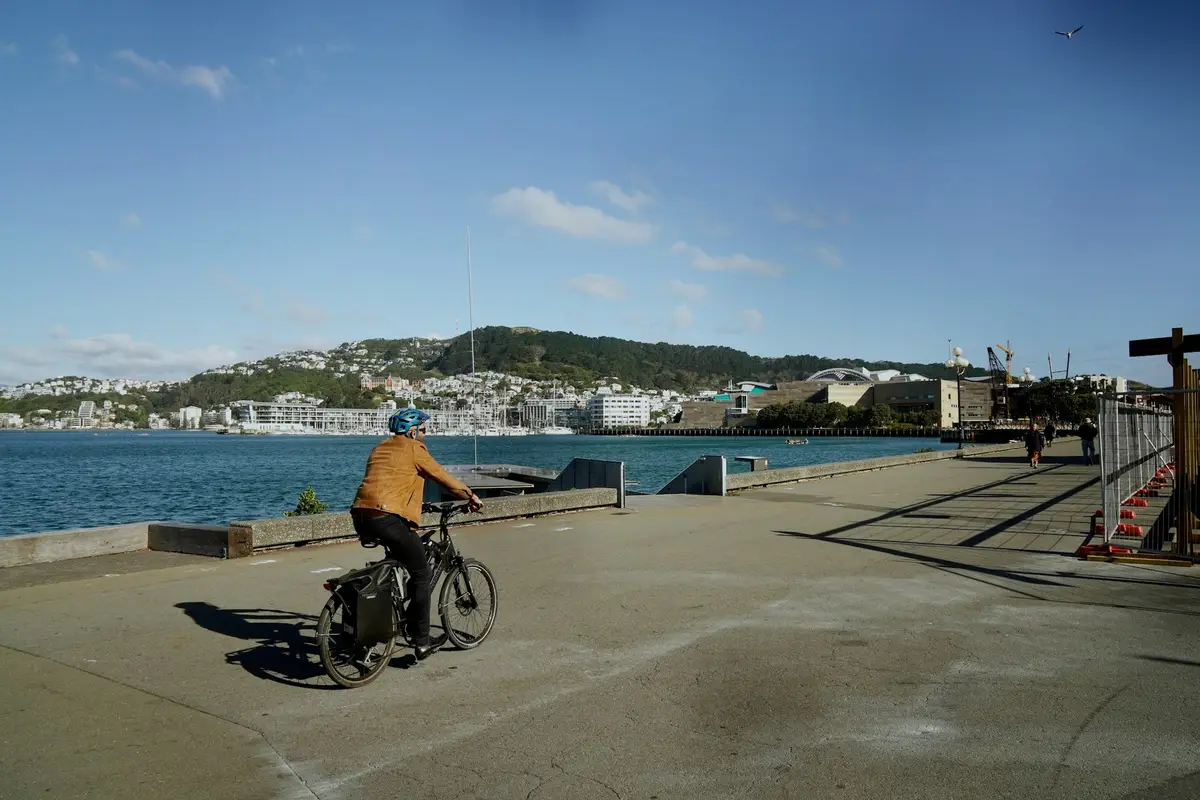
Take a Wellington café owner who wants to add a second site in a new office development. She leases both premises, so there’s no property to borrow against, and the bank wants a full business plan, two years of accounts and a long wait. Her bank statements show strong, consistent daily takings and no other debt.
An unsecured loan fits neatly here. She borrows for the fit-out and opening stock, the lender assesses her existing café’s bank statements, and her home never comes into the conversation. That’s an illustrative scenario, but it reflects the kind of business unsecured lending is built for.
How do repayments and terms work?
Unsecured business loans usually run on shorter terms than property-secured lending, often from a few months up to a few years depending on the lender and the amount. Shorter terms keep total interest down and match the way most owners use the money: a fit-out that lifts takings, a stock order that sells through, a contract that pays out.
Repayments are typically taken by automatic debit from your business account. Many non-bank lenders collect weekly or fortnightly rather than monthly, which lines up better with how money actually flows through a trading business. Some lenders allow early repayment, so if a big invoice lands you can clear the loan sooner. Ask about early repayment terms before you sign, and use the compare loan offers tool if you’re weighing more than one offer.
A good rule: pick the shortest term your cash flow can comfortably carry, with breathing room for a slow month.
What will an unsecured business loan cost?
Unsecured loans generally price higher than property-secured loans because the lender has less to fall back on. Beyond that, your price depends on trading strength, time in business, credit history, loan size and term. We don’t publish rates because they’d mislead more than they’d help. Your loan is priced on your own circumstances, and LoansOne pushes for the sharpest rate a lender will offer for that profile.
Why apply through LoansOne?
- One expert review, one well-matched lender. Your application isn’t blasted to dozens of lenders.
- No credit file mark when you start an enquiry.
- Fast: next-day funding is possible, with many clients paid out within 24 hours.
- Secured options on hand if unsecured isn’t the best fit.
Next step
If your business trades well and you’d rather keep property out of it, an unsecured loan is the place to start. Start your application in about 30 seconds. It costs nothing and leaves no mark on your credit file. Prefer to talk first? Call 09-888 5252.