The short answer
Equipment finance lets a New Zealand business buy vehicles and equipment, such as utes, vans, trucks, fleets, computers and software, and repay them over time instead of paying cash upfront. The vehicle or equipment usually secures the loan, or an unsecured business loan can fund items that are hard to secure.
What is equipment and vehicle finance?
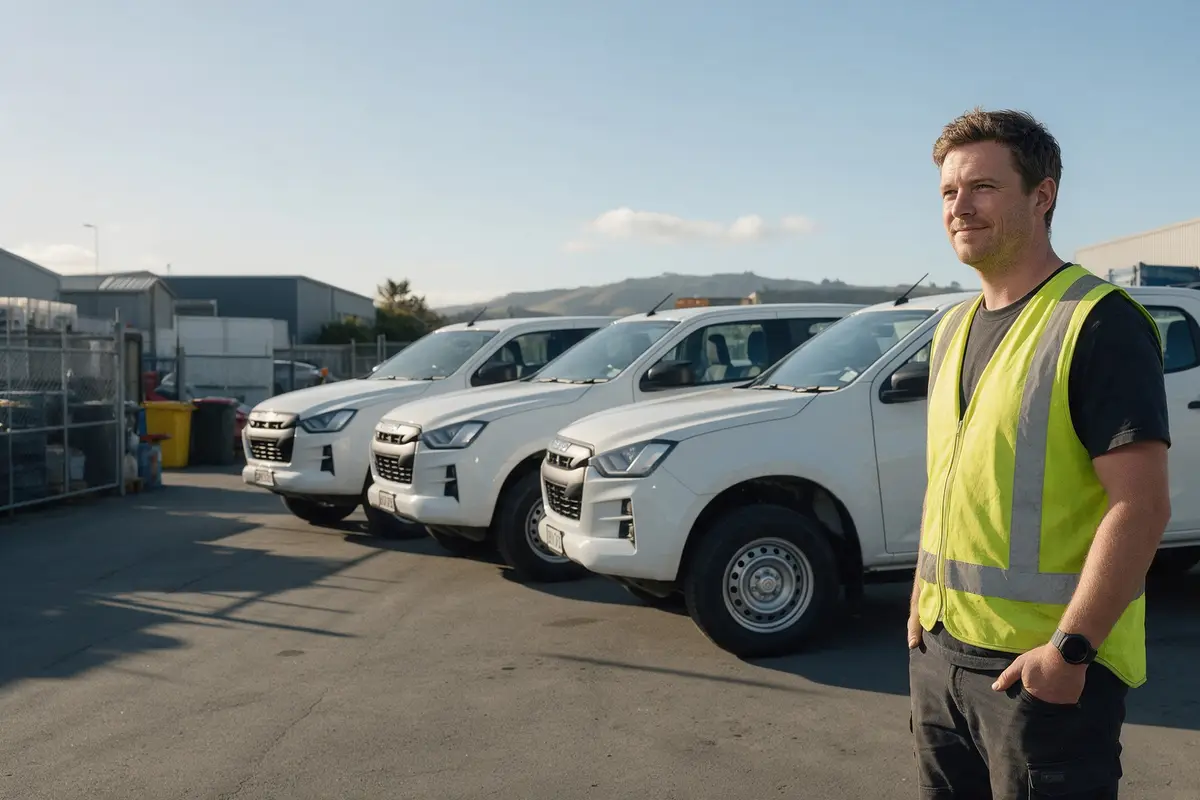
It’s funding for the working gear of your business: the ute your foreman drives, the vans your techs live in, the truck that carries your stock, the laptops your team logs into every morning. Rather than paying the full price upfront, you spread the cost over a term that matches how long the asset will earn its keep.
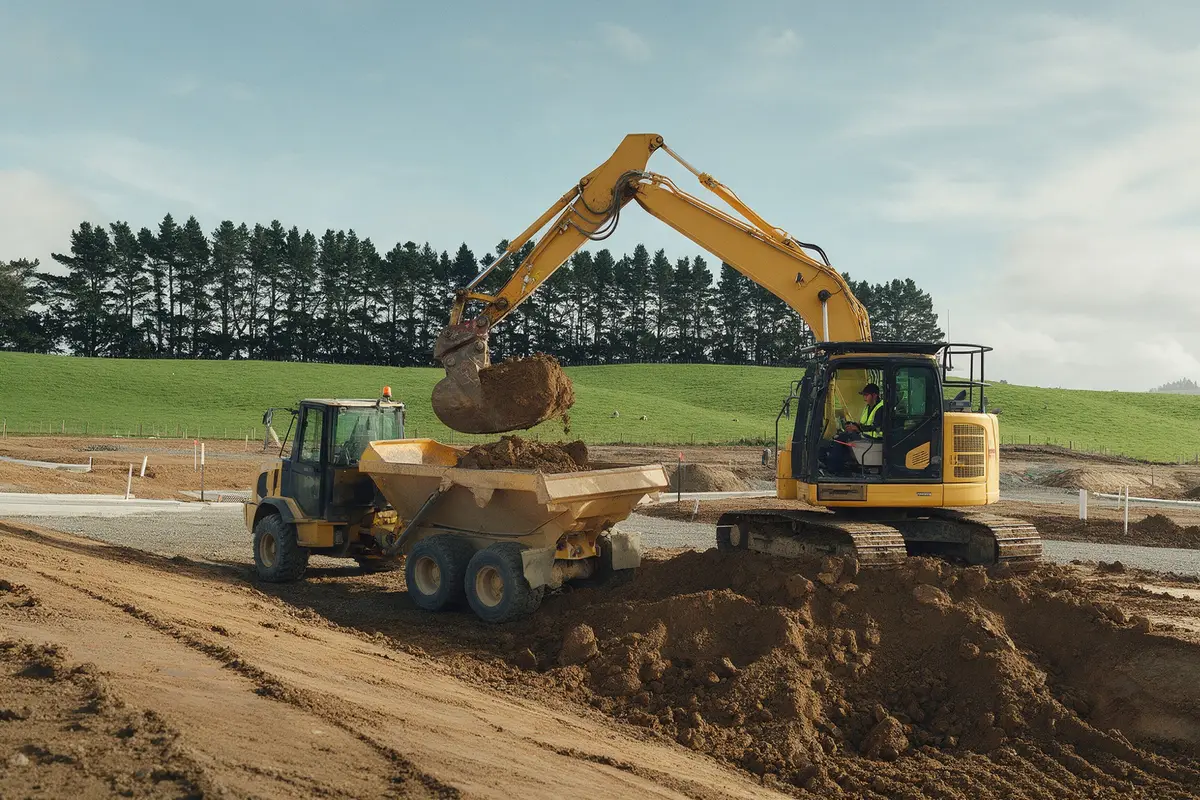
Equipment finance is one branch of the wider asset finance family. This page is about the lighter, everyday end: vehicles, fleets and technology. Diggers, tractors and big plant have their own considerations, which we cover on heavy equipment and machinery finance.
One ground rule: this is for business use only. LoansOne doesn’t arrange personal car loans or consumer finance. If the vehicle is a tool of your trade, you’re in the right place.
What vehicles and equipment can you finance?
The quick answer is most things your business uses to make money. Here’s how different categories tend to be handled.
| What you’re buying | How it’s usually funded | What lenders look at |
|---|---|---|
| Utes and vans | Secured over the vehicle | Age, kilometres, dealer vs private sale |
| Light trucks and box bodies | Secured over the vehicle | Body build, intended use, operator experience |
| Heavy trucks and trailers | Secured, sometimes with a deposit | Contracts in place, operator history, resale |
| Fleets of five or more | Several agreements or one larger facility | Total exposure, existing fleet performance |
| Laptops, servers, phones, POS | Secured where possible, often unsecured | Short useful life, so shorter terms |
| Software, licences, set-up | Usually unsecured | Your trading cash flow, not the asset |
The pattern is simple. The more an item holds its value and the easier it is to identify and resell, the more comfortable a lender is using it as security. The less it holds value, the more the lender relies on your business instead.

How does commercial vehicle finance work?
For a typical ute or van, the steps look like this:
- Choose the vehicle and get a dealer invoice, or a sale and purchase agreement for a private sale.
- Apply with your business details and recent bank statements.
- The lender assesses your trading, your credit and the vehicle itself.
- Documents are signed, and the lender registers its security on the PPSR against the vehicle.
- The lender pays the seller and you collect the keys.
On a private purchase, search the PPSR using the plate or VIN before you pay a cent. If there’s an existing security interest and the seller doesn’t clear it, that lender could take the vehicle back from you. The asset finance page explains how the register works in more detail.
Don’t forget the running costs
The repayment is only part of what a vehicle costs your business. Budget for registration, insurance, servicing, tyres, fuel and, for diesel vehicles and EVs, road user charges. A ute that earns well but sits idle half the week can still strain cash flow. The cash flow gap calculator is handy for checking the full monthly picture.
How does fleet finance work for growing businesses?
When you’re adding vehicles in batches, buying them one at a time with separate applications gets slow and messy. Fleet buyers usually have three choices:
- Multiple secured agreements with one lender. Each vehicle has its own agreement and PPSR registration, but you deal with one lender and one approval process.
- A larger approved limit that you draw on as each vehicle arrives.
- A lump-sum loan that lets you buy the whole fleet, including vehicles from different dealers or private sellers, and fit-out costs like racking, signwriting and GPS units.
Think about how the fleet will turn over. If you replace vans every four or five years, match the finance term to that cycle so you’re not still paying for a van you’ve already sold. Our transport and logistics finance page looks at fleet funding through a carrier’s lens, including long customer payment terms.
Can you finance IT equipment and software?
Yes, but this is where lenders get choosy. Technology loses value fast, so a three-year-old laptop isn’t much use as security.
- Hardware such as servers, networking gear, workstations and point-of-sale terminals can often be financed over a shorter term.
- Software, cloud set-up, licences and implementation have almost no resale value, so a lender can’t really secure them.
For most IT projects, the cleaner option is an unsecured business loan. You borrow a lump sum, pay your supplier, and the money covers hardware, software, installation and training together. LoansOne arranges unsecured business loans from $20,000 to $500,000, with no real estate security required in most cases.
Equipment finance or an unsecured loan: which suits?
Neither is always better. A quick rule of thumb:
- Secured equipment finance suits a single, mainstream vehicle or machine from a dealer, especially if you want to keep the repayment as low as possible.
- An unsecured loan suits mixed purchases, private sales, older vehicles, IT and software, or when you want to own the gear outright with no registration over the specific item.
- A property-backed loan suits larger spends, like a fleet plus a new yard set-up, or when your credit history makes other lenders nervous. A 2nd mortgage needs no cash flow or financial records, and bad credit is OK.
We compare these head to head in asset finance vs unsecured loan.

Should you buy new or used commercial vehicles?
There’s no single right answer, but the finance side of the decision is worth thinking through before you fall for a vehicle.
New vehicles are the easiest to fund. Lenders like the clear value, the warranty and the long useful life, which can mean a longer term and a lower repayment. You may also get a tax benefit: under Investment Boost, businesses can claim 20% of the cost of new assets as an upfront deduction, then depreciate the rest as usual. Ask your accountant how that applies to your purchase.
Used vehicles cost less upfront and you avoid the steepest part of the depreciation curve. The trade-off is that lenders often cap the vehicle’s age at the end of the term, so a ten-year-old van may only be fundable over a short term, or not on its own value at all. Second-hand vehicles already used in New Zealand don’t qualify for Investment Boost.
A practical approach many Kiwi tradies take: buy new for the vehicles that do the heavy daily kilometres and carry the business’s image, and buy good used vehicles for the support roles. Matching each one to the right funding keeps the total repayment sensible.
Example scenarios
A Christchurch plumbing business adding two vans. Work is booked out six weeks ahead and two new apprentices start next month. The owner finds two near-new vans, one at a dealer and one from a private seller in Ashburton. Secured finance through the dealer is simple. The private van, plus racking and signwriting for both, could be covered by a modest unsecured loan so everything is on the road at the same time.
An Auckland IT consultancy refreshing its kit. Twelve laptops, a new server and a year of software licences. The hardware might be financeable on its own, but bundling everything into one unsecured loan means one repayment and no gap between the gear arriving and the software going live.
A Waikato freight operator replacing a truck. A tipper truck has hit its limit and a contract renewal depends on having a reliable replacement. With a signed contract and steady trading, secured truck finance is a natural fit, with a deposit possibly required depending on the age of the replacement.
These are illustrative scenarios, not real clients, but they reflect the decisions Kiwi business owners make every week.
What affects the price of equipment finance?
We don’t quote rates, because every loan is priced on the client’s individual circumstances. LoansOne works to get the sharpest rate available for your situation. The main drivers:
- Type, age and resale value of the vehicle or equipment
- New versus used, and dealer versus private sale
- Deposit or trade-in
- Loan term
- Your business’s trading history and bank statements
- Personal and business credit history
Run your numbers with the business loan calculator before you shop around, so you know what repayment your business can carry comfortably.
What you need to apply
- Invoice, quote or sale agreement for each item
- Vehicle details: plate, VIN, kilometres
- Your NZBN or Companies Office details
- Three to six months of business bank statements
- Driver licence for directors or owners
Next step
Need vehicles or equipment working for your business sooner? Start online in about 30 seconds. It’s free, doesn’t mark your credit file, and an expert reviews every application before matching you to the right lender. Apply now or call 09-888 5252 to talk it through.