The short answer
Asset finance is business funding where the asset you buy, such as a vehicle, machine or equipment, is the main security for the loan. In New Zealand the lender registers its interest on the PPSR until you pay it off. Common structures are hire purchase, secured equipment loans and finance leases.
What is asset finance?
Asset finance is the umbrella term for funding a business asset where that asset carries most of the weight as security. You get the van, the coffee machine, the CNC router or the excavator working in your business straight away, and you pay it off over a set term from the income it helps generate.
The lender’s comfort comes from the asset itself. If you stop paying, they can recover it. That is why asset finance is often easier to get than a loan with nothing behind it, and why the asset’s age, type and resale value matter so much to the lender.
It sits underneath a few more specific products. If you’re buying utes, vans, trucks or IT gear, our equipment and vehicle finance page goes deeper. If it’s yellow machinery, tractors or plant, see heavy equipment and machinery finance. This page covers how the whole category works, including the bit most people skip: the PPSR.
What types of asset finance are there in New Zealand?
Most asset finance in New Zealand falls into four structures. The right one depends on whether you want to own the asset, how long you’ll keep it and how your accountant wants it treated.
| Structure | Who owns it during the term | What happens at the end | Usually suits |
|---|---|---|---|
| Hire purchase | Lender holds title until the final payment | Ownership passes to you | Assets you plan to keep for years |
| Secured equipment loan | You own it from day one; lender holds security | Security is released | Buyers who want ownership and flexibility |
| Finance lease | Lender | Option to buy, refinance or return, depending on the deal | Assets you may upgrade or want off your own books |
| Operating lease or rental | Lender | You hand it back | Short-life gear like IT, or fleets on rotation |
A fifth option is refinancing assets you already own. If your business owns a truck or machine outright, some lenders will lend against it to free up cash. It is a useful move when you’ve paid cash for equipment and then hit a tight patch.
How does the PPSR work with asset finance?
This is where a lot of business owners get caught out, so it’s worth getting clear.
The Personal Property Securities Register (PPSR) is the official New Zealand register, run by the Companies Office, where lenders record security interests in personal property. In this context, personal property means anything that isn’t land: vehicles, machinery, equipment, stock, even money owed to you by customers. It works under the Personal Property Securities Act 1999.
When you take asset finance, here’s what happens:
- The lender registers a financing statement. It names you (or your company) as the debtor, the lender as the secured party, and describes the collateral. For motor vehicles, it can include identifiers such as the VIN, chassis or registration plate.
- The registration has a term. A financing statement can be registered for a maximum of five years. It can be renewed, discharged or left to expire on its stated date.
- Priority usually follows the order of registration. If two lenders claim the same asset, the one that registered first generally wins. There is an important exception: a lender who funds the purchase of a specific asset and registers correctly can rank ahead of an earlier general registration. This is called a purchase money security interest, and it’s why your new van can be financed even if your bank already holds a general security over your business.
- It should be discharged when you pay out. Once the loan is cleared, the secured party should remove the registration. If one lingers, you can ask them to discharge it, and the Act provides a formal process if they don’t.
Why the PPSR matters when you buy second-hand
The PPSR protects you as a buyer too. A search shows whether a vehicle or item already has a registered security interest against it. If it does and you buy it anyway, the lender may be able to repossess it from you, even though you paid the seller in full.
The PPSR’s own guidance is to search before buying second-hand items worth more than $2,000, as well as vehicles, boats and aircraft. It takes a few minutes and is cheap insurance on a private sale. A lender funding a used asset will usually do this check too, but do your own before you hand over a deposit.
Your own registrations
It’s also worth searching your own business name now and then. You may find old registrations from loans long since repaid. Having them cleared up keeps your record tidy before you apply for anything new.
What can you finance with asset finance?
Almost any tangible asset with a clear identity and a resale market. Typical examples across Kiwi businesses:
- Commercial vehicles: utes, vans, light and heavy trucks, trailers
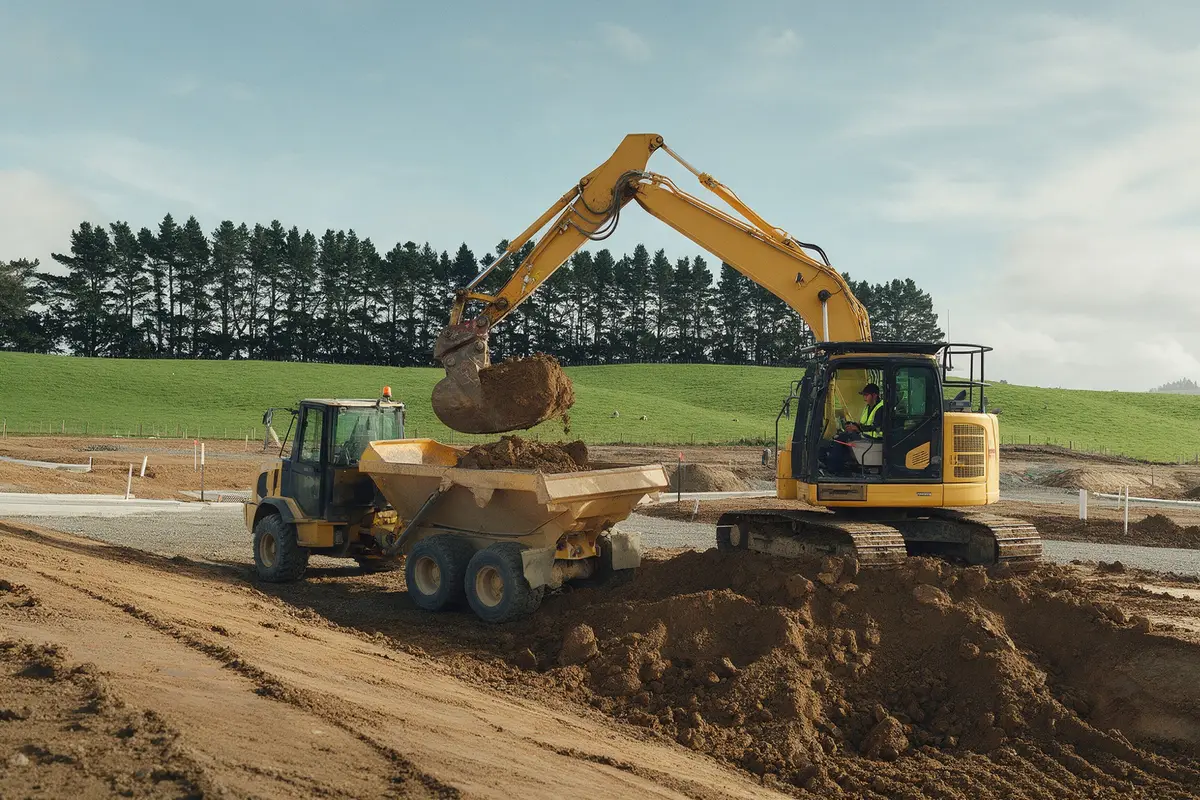
- Earthmoving and construction plant: diggers, loaders, compactors
- Agricultural machinery: tractors, balers, harvesters, irrigators
- Hospitality equipment: espresso machines, combi ovens, refrigeration
- Manufacturing and workshop gear: CNC machines, hoists, compressors
- Medical, dental and beauty equipment
- Technology: servers, laptops, point-of-sale systems
What’s harder: software, fit-outs, very old or highly specialised gear, and anything that’s tricky to resell. A lender can’t easily recover a shop fit-out or a custom software build, so those purchases usually suit an unsecured loan or property-backed funding instead.
How do lenders price asset finance?
We don’t publish rates, because no two deals are priced the same. Every loan is priced on your circumstances, and our job is to get you the sharpest rate available for your situation. What moves the price:
- The asset. New, mainstream assets with strong resale values attract better terms than older or niche gear.
- Deposit or trade-in. Putting something in reduces the lender’s exposure.
- Term. Shorter terms suit fast-depreciating assets. Stretching a term beyond the asset’s useful life rarely ends well.
- Your trading history and credit. Established, steadily trading businesses generally do better, but past credit issues don’t automatically rule you out.
- Seller type. Dealer purchases are simpler than private sales or auctions.
Want a feel for repayments before you talk to anyone? Try the business loan calculator.
When is asset finance not the best answer?
Asset finance is great at one thing: funding a specific, identifiable asset. It falls short when:
- You’re buying several things at once, from different sellers, plus installation and training.
- The seller is private and the lender won’t fund it, or the asset is too old.
- Part of the spend is intangible, such as software licences, fit-out or set-up costs.
- You need the cash quickly and the asset financier is slow on valuations or paperwork.
- You want to own the asset free and clear, with no registration against it.
That’s where LoansOne’s core products come in. An unsecured business loan of $20,000 to $500,000 gives you a lump sum to buy what you need, wherever you buy it, with no real estate security required in most cases. Be aware that some unsecured lenders still register a general security interest over business assets on the PPSR, and we’ll tell you upfront if that’s part of the deal.
If you own property, a second mortgage for business purposes can fund a bigger spend, including multiple assets, in one hit. No cash flow or financial records are needed, and bad credit is OK. We break the trade-offs down properly in asset finance vs unsecured loan.
Example: a Tauranga print business upgrading its gear
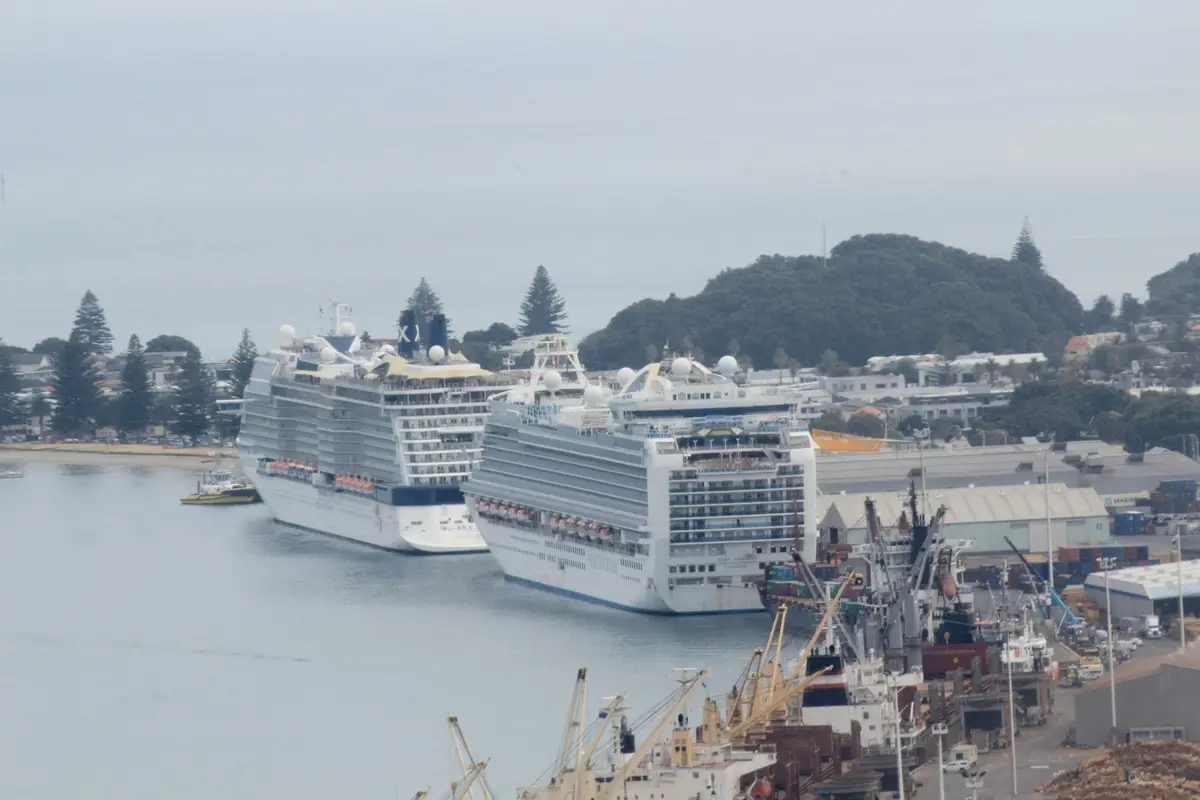
Picture a Tauranga signage and print shop that needs a new wide-format printer, a laminator and a second van. The van is a straightforward asset finance deal with a dealer. The printer is coming from an Australian supplier with a deposit due before shipping, and the laminator is second-hand from a business closing down in Rotorua.
Three purchases, three sellers, one timeline. Rather than juggling three applications, the owner could use asset finance for the van and a single unsecured loan for the printer deposit and the laminator. Or, if they own a home or commercial property with equity, a 2nd mortgage could cover all three in one settlement. An illustrative scenario, but a very common shape.
Is there a tax benefit to buying new assets?
Talk to your accountant, but one change is worth knowing about. Under Investment Boost, from 22 May 2025 businesses can claim 20% of the cost of new or new-to-New Zealand assets as an immediate deduction, then depreciate the remaining 80% as usual. Second-hand assets sourced from within New Zealand don’t qualify. It doesn’t change how you finance the asset, but it can change the after-tax cost of buying new versus used.
How to get asset finance sorted quickly
Have these ready and you’ll move faster:
- The asset details: make, model, year, serial or VIN, and the seller’s invoice or quote
- Your NZBN or company details
- Recent business bank statements
- Driver licence for each director or owner
- Details of any existing finance
Not sure which structure fits? Our loan matcher gives you a starting point, or you can apply in about 30 seconds and an expert will review your situation before any lender contacts you.
Next step
Whether it’s one van or a full equipment upgrade, LoansOne will match you to the right lender for the asset and your circumstances, not shop your details around. Starting is free, takes about 30 seconds and won’t mark your credit file. Start your application or call us on 09-888 5252.