The short answer
Machinery finance funds heavy equipment such as excavators, loaders, tractors, harvesters and other plant for New Zealand businesses. The machine usually secures the loan and is registered on the PPSR, with repayments spread over its working life. New, used, auction and private-sale machines can all be funded, depending on age and condition.
What is machinery finance?
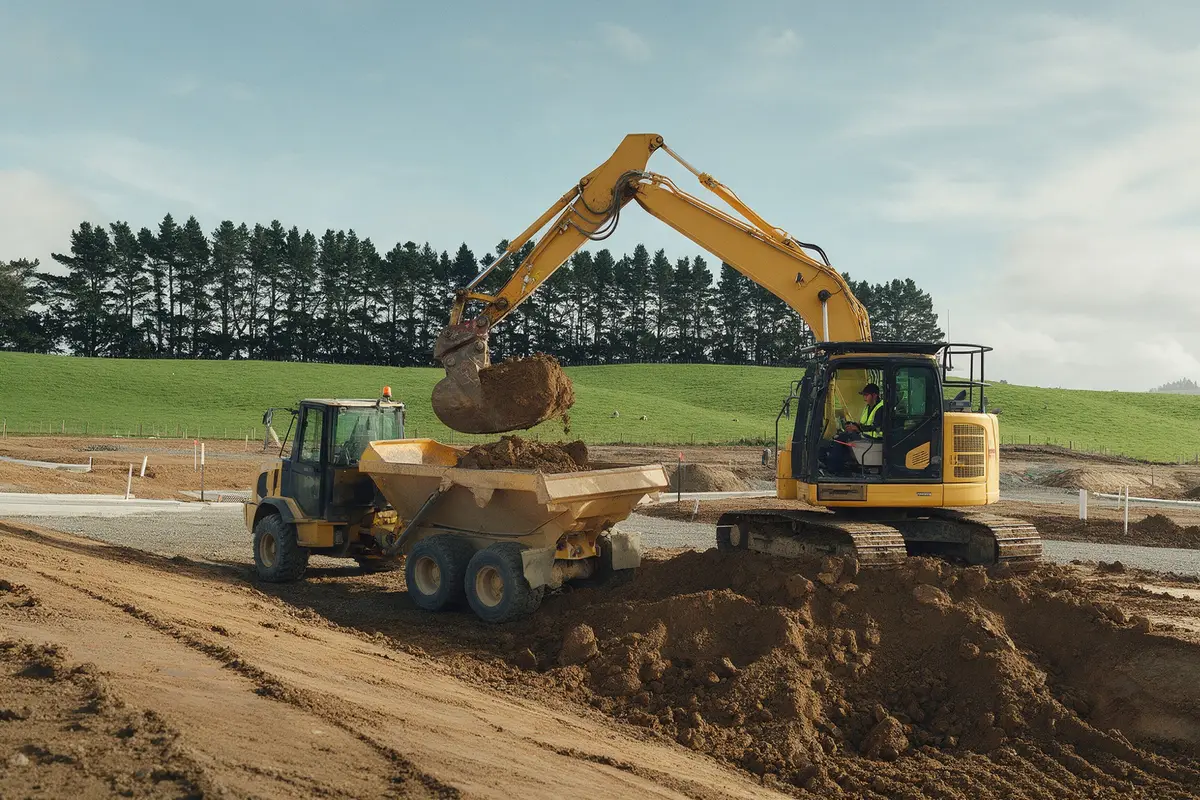
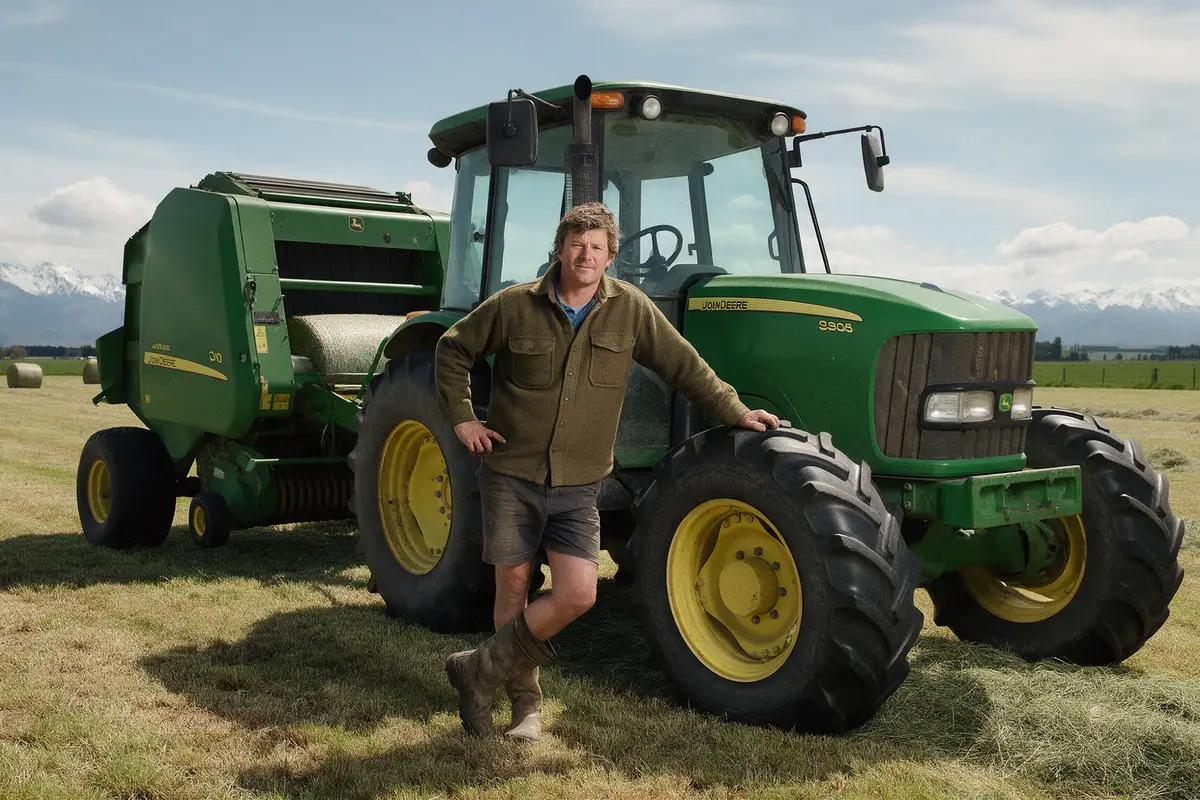
Machinery finance is funding for the big, expensive, hard-working gear: excavators, wheel loaders, bulldozers, rollers, cranes, tractors, harvesters, balers, sprayers and other plant. It’s a specialist branch of asset finance, and it plays by slightly different rules because the machines are worth more, last longer and are judged on hours as much as years.
For an earthmoving contractor, a civil crew or an ag contractor, the right machine at the right time is the difference between winning a contract and watching someone else win it. Machinery finance lets you secure that machine now and pay for it from the work it does.
If you’re buying utes, vans, trucks or IT gear instead, see equipment and vehicle finance.
Which machines can you finance?
Most heavy equipment with a resale market can be financed, including:
- Earthmoving and civil: excavators from mini diggers up, loaders, dozers, graders, rollers, tip trailers
- Construction plant: cranes, telehandlers, scissor and boom lifts, concrete pumps, compressors
- Agricultural: tractors, mowers, rakes, balers, wrappers, harvesters, sprayers, feed wagons, irrigation
- Forestry: skidders, harvesters, forwarders, loaders
- Attachments: buckets, augers, rippers and tilt hitches, often bundled with the main machine
New, used, auction or private sale: what’s the difference?
Where you buy the machine changes how easy it is to finance. Here’s what to expect.
| Where you buy | How lenders view it | What to watch |
|---|---|---|
| New from a dealer | Easiest to fund, clear value and warranty | Lead times on popular models |
| Used from a dealer | Commonly funded, dealer provides history | Hours, age limits set by the lender |
| Private sale | Fundable with more checks | PPSR search, proof of ownership, inspection |
| Auction | Possible, but timing is tight | Payment due within days of the sale |
| Imported (new or used) | Fundable, may need deposit before shipping | Freight, Customs GST at 15%, compliance costs |
On any second-hand machine, search the PPSR before you pay. If the seller still owes money on it and the lender has a registration, you could lose the machine even after paying in full. The asset finance page explains how PPSR registrations and priority work.
How do lenders assess heavy equipment finance?
Lenders look at two things: the machine and the operator.
The machine. Make and model, year, hours, condition, service history and how easily it would sell if things went wrong. A popular mid-size excavator with a known history is a comfortable deal for a lender. A rare, highly specialised machine with high hours is not.
The operator. How long you’ve been running machines, the contracts or forward work you’ve got lined up, your business bank statements and your credit history. A contractor with a signed council or subdivision contract is a far easier conversation than a speculative purchase.
What drives the price?
We don’t publish rates. Every loan is priced on the client’s individual circumstances, and LoansOne works to get the sharpest rate available for your situation. What moves it:
- New versus used, and the machine’s age and hours at the end of the term
- Deposit or trade-in
- Term length relative to the machine’s working life
- Time in business and contracting experience
- Credit history
- Dealer versus private or auction purchase
Can repayments fit a seasonal business?
For agricultural contractors, the year isn’t flat. Silage, hay and harvest bring a rush of income, then winter goes quiet. Earthmoving crews face similar swings with weather and the construction cycle.
Some lenders will structure repayments to suit, with larger payments in peak months and smaller ones in the off-season, or a short repayment holiday at the start. It isn’t universal and depends on your history, but it’s worth asking for. Give us a clear picture of your seasons when you apply and we’ll steer you to lenders who understand them. Our seasonal cash flow guide and farm business loans page dig into this further.
When should you use a loan instead of machinery finance?
Machinery finance is purpose-built, but it isn’t always the fastest or most flexible route. Consider an alternative when:
- You’re buying at auction and need cash ready on sale day.
- The machine is old or high-hours, and lenders won’t fund it on its own value.
- You’re buying several machines from different sellers at once.
- You also need working capital, such as fuel, wages and site set-up for a new contract.
- Your credit history has been knocked around by a tough year.
An unsecured business loan of $20,000 to $500,000 gives you cash to buy from anyone, with no real estate security required in most cases. If you own property, a second mortgage for business purposes can fund larger purchases quickly, with no cash flow or financial records needed and bad credit OK. Check how much equity you’re working with on the equity calculator.
What does it really cost to own heavy plant?
The repayment is the number everyone focuses on, but it’s only part of the bill. Before you commit to a machine, budget for:
- Transport. Getting a 20-tonne digger from Tauranga to a site in Taupō needs a transporter and, for wider loads, permits and pilots.
- Insurance. Plant cover, including theft and damage on site, is a real monthly cost.
- Servicing and wear parts. Tracks, undercarriage, teeth, hoses and filters add up, especially on older machines.
- Fuel and road user charges for any plant or support truck that travels on public roads.
- Downtime. A machine that’s waiting on a part isn’t earning, but the repayment is still due.
This matters because lenders assess whether your business can comfortably carry the whole cost of the machine, not only the loan. It also matters for you: a machine that looks affordable on paper can squeeze cash flow badly if the work dries up for a month. Running the full monthly cost through the cash flow gap calculator before you sign is a smart ten-minute exercise.
If you’re importing, add freight, Customs GST at 15% on arrival, any duty, and the cost of getting the machine compliant and on site. Some overseas sellers also want a deposit before shipping, which is often the part a short-term unsecured loan covers best.
Example scenarios
A Hamilton earthmoving contractor winning a subdivision job. The contract needs a 20-tonne excavator on site within three weeks. A low-hour machine is available from a dealer in Tauranga. With the signed contract, bank statements and the dealer invoice ready, a secured machinery deal is the natural route.
A Canterbury dairy contractor before silage season. A second tractor and a wrapper are needed before October, and the best-value tractor is a private sale in Ashburton. The wrapper is new from a dealer. The contractor finances the wrapper with the dealer and uses an unsecured loan for the private tractor, so both are working when the grass comes on.
A Southland drainage crew buying at a clearing sale. Two diggers and a tip trailer come up at a clearing sale with payment due within the week. Rather than chase lot-by-lot approvals, the owner uses a 2nd mortgage over their own property to have the full amount ready before bidding.
These are illustrative scenarios, not real clients.
Is there a tax benefit to buying new machinery?
Possibly. Under Investment Boost, from 22 May 2025 businesses can deduct 20% of the cost of new assets, including machinery that’s new to New Zealand even if it was used overseas, then depreciate the rest as usual. Second-hand machines already used in New Zealand don’t qualify. That can tip the maths towards new or imported gear, so check with your accountant before you choose between a new machine and a local used one.
What do you need to apply?
- Dealer invoice, sale agreement or auction lot details
- Machine details: make, model, year, hours, serial number
- Photos and service history for used machines
- Any contracts or forward work you have in place
- Business bank statements and NZBN or company details
- Driver licence for each owner or director
Next step
Got a machine in mind or a contract that needs one? Start your application online in about 30 seconds. It’s free, won’t mark your credit file, and an expert reviews it before matching you to the right lender, with funding possible in as little as 24 hours in many cases. Apply now or call 09-888 5252.