The short answer
Farm business loans in NZ help dairy, sheep and beef, horticulture and viticulture businesses, and rural contractors, bridge the gap between seasonal income and year-round costs. LoansOne arranges unsecured loans from $20,000 to $500,000, machinery finance, and fast 1st or 2nd mortgages from $20,000 to $500,000, with bad credit considered.
Why is cash flow so lumpy on New Zealand farms?
Farming runs on the calendar, not the payroll cycle. Costs keep flowing all year, but income comes in seasons, sometimes months after the work is done. A drought, a wet spring or a drop in commodity prices can widen that gap overnight.
How the cash cycle looks across the main rural sectors:
| Sector | Where the cash pressure sits |
|---|---|
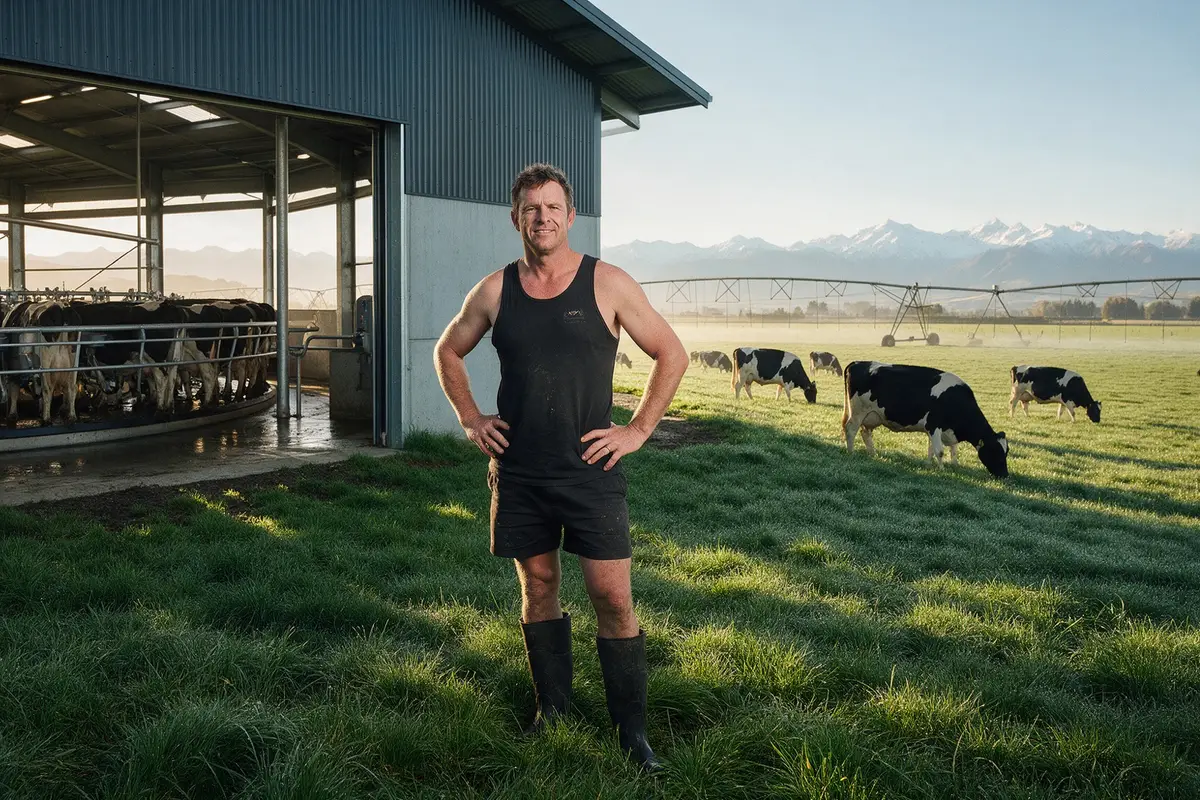
| Dairy | Costs build through winter and calving in spring. Milk income is paid monthly as advance payments through the season, with the balance arriving later, so early-season cash can be tight. |
| Sheep and beef | Income depends on lamb and cattle sales and wool, concentrated in certain months, while feed, animal health and fertiliser are spread out. |
| Horticulture | Orchardists fund pruning, thinning, picking and packing up front, then receive payments in stages, sometimes stretching well beyond harvest. |
| Viticulture | Vintage runs around March and April. Labour, sprays and frost protection are paid long before the grape payments come through. |
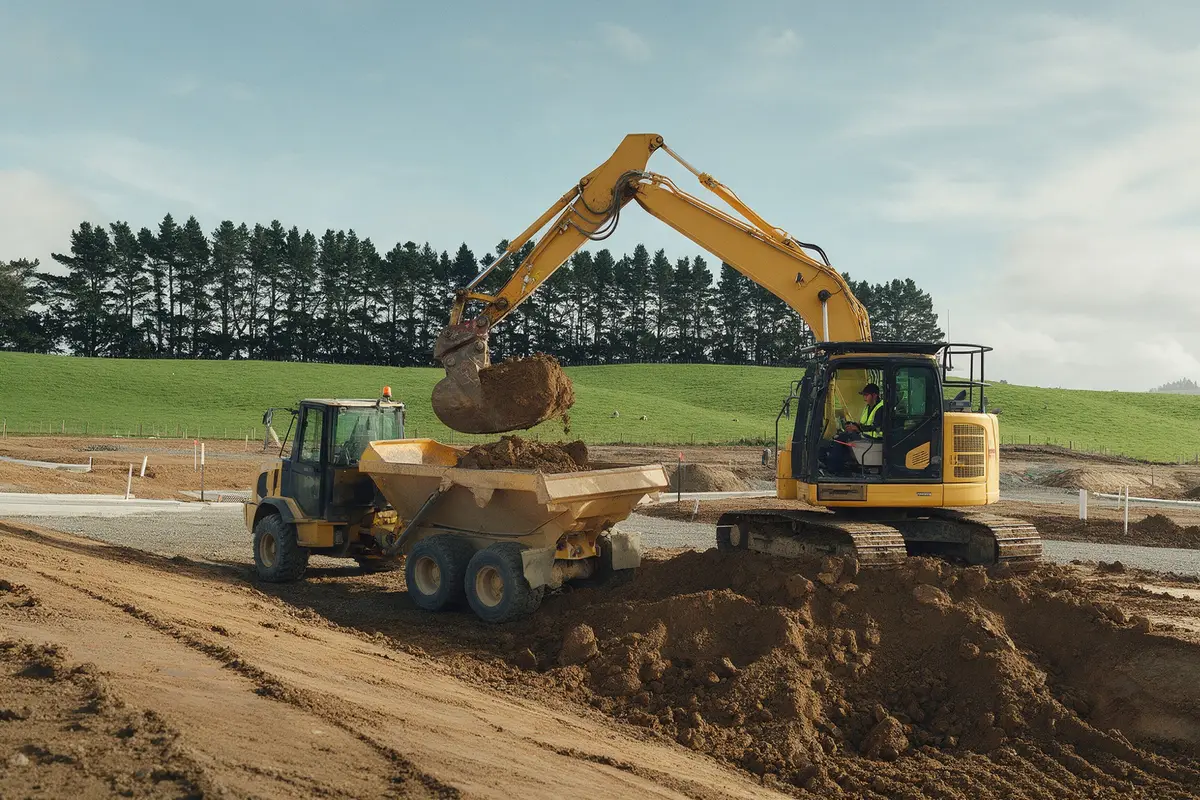
| Rural contractors | Spring and summer are flat out with silage, cultivation and harvesting. Winter is quiet, but machinery payments don’t stop. |

What do farmers and growers typically fund?
- Feed, fertiliser, animal health and seasonal wages
- Livestock purchases ahead of a good season
- Tractors, balers, harvesters, side-by-sides and farm utes
- Irrigation, effluent systems, sheds and tracks
- Orchard redevelopment, new plantings or vineyard frost protection
- Bridging until a milk payment, harvest payment or livestock sale
- Clearing IRD debt or provisional tax after a strong year
Which LoansOne options fit a farming business?
| Need | Option | Why it fits |
|---|---|---|
| Seasonal gap until income lands | Unsecured business loan or cash flow loan | Fast, no property, $20,000 to $500,000 |
| Tractors and machinery | Machinery finance | The machine secures the loan |
| Larger sum behind the bank | 2nd mortgage | Keeps your bank facility intact; no cash flow or financial records needed |
| Waiting on a land or livestock sale | Bridging finance | Covers the timing gap |
| Bank too slow or says no | 1st mortgage | Fast private alternative, $20,000 to $500,000 |
Pricing reflects your security, income pattern, term and the purpose of the funds. Every loan is priced on your circumstances, and LoansOne works to get the sharpest rate available for your situation.
Illustrative example: a Canterbury dairy contractor
This is an illustrative scenario, not a real client.
A Canterbury dairy support contractor does cultivation, silage and effluent work for a group of farms. Spring bookings are full, but two older tractors need replacing and a new forage wagon would let the business take on another client. Winter income has been thin, and a provisional tax instalment is due before the busy season pays.
The bank’s rural team wants to review the whole relationship, which will take weeks. The owner applies online. An expert reviews the bank statements showing the strong spring and summer pattern, the forward bookings and the equity in the owner’s lifestyle block. The business is matched with machinery finance for the new gear and a 2nd mortgage behind the bank to clear the tax and carry wages until spring invoices are paid. The gear is in the shed before the first silage cut.
What do lenders look at for a farm or rural business?
- Income pattern: a full year of bank statements shows how and when money arrives.
- Land and assets: rural land, lifestyle blocks, machinery and livestock can all support lending.
- Existing debt: what’s owed to the bank and other lenders, and where a new loan would rank.
- Track record: how the business has handled past good and bad seasons.
- Plan: what the money is for and which payment or sale will repay it.
The equity calculator gives a quick sense of how much usable equity sits in your property before you apply.

How does a 2nd mortgage work for a farm with bank lending?
Most farms already have a bank facility secured over the land. A 2nd mortgage registers behind it on the title through LINZ, so the bank keeps its first-ranking position and your main lending stays exactly as it is. You aren’t asking the bank to reopen the whole relationship to fund a tractor, a feed bill or a tax debt.
That matters on farms for a few reasons:
- Speed: a private 2nd mortgage can often be arranged while a bank’s rural team is still reviewing the file.
- Records: it doesn’t need cash flow or financial records, which helps when the accounts for a tough season aren’t finished.
- Credit: bad credit is considered, because the property carries the lending.
- Flexibility: it can be short term and repaid when the payout, harvest payment or a land sale lands.
The security doesn’t have to be the farm itself. A house in town, a lifestyle block or an investment property can be used instead. Our first vs second mortgage page shows how ranking affects cost and speed.
What should orchardists, winegrowers and contractors watch for?
- Orchardists: payments in stages mean the season’s costs can be fully spent before most of the income arrives. Plan funding to the payment schedule, not the harvest date.
- Winegrowers: frost protection, labour and sprays come before vintage. A failed frost night or wet harvest can shrink the payment you were counting on, so keep a buffer.
- Rural contractors: winter is the time to buy or refinance machinery, when you have time to compare options and the gear is ready for spring.
- Sheep and beef farmers: a weak schedule price at sale time can leave a gap. Short-term funding lets you hold stock for a better market rather than sell under pressure.
How can farmers use finance well through the seasons?
- Line repayments up with when income really arrives, not a generic monthly schedule.
- Keep machinery on asset finance, so working capital covers feed and wages.
- Borrow ahead of a known gap rather than after the account is overdrawn.
- Use a 2nd mortgage to leave your bank’s main facility undisturbed.
- Plan for weather. A small buffer arranged early beats an urgent loan after a drought.
For more on managing the quiet months, read our guide to seasonal business cash flow.
Next step
If a payout, harvest or sale is still weeks away and the bills aren’t waiting, get your options moving now. Apply in about 30 seconds. It’s free, won’t mark your credit file, and an expert reviews every application before matching you with the right lender. Or call 09-888 5252.