The short answer
Asset finance usually suits a single, mainstream vehicle or machine from a dealer, because the asset secures the loan and can lower the cost. An unsecured business loan suits mixed purchases, private sales, older gear, software and fit-outs, or when you want speed and flexibility. Many New Zealand businesses use both.
The short answer
If you’re buying one clearly identifiable asset, like a new ute, truck or excavator, from a dealer, asset finance is usually the natural fit. The asset backs the loan, and that can mean a lower cost and a smoother approval.
If you’re buying a mix of things, buying privately, buying older gear, or funding anything that’s hard to resell, an unsecured business loan is often the better tool. You get cash, you buy what you need from whoever you like, and you own it outright from day one.
Neither is better in every case. The right choice depends on what you’re buying, who you’re buying it from and how your business looks to a lender.
Asset finance vs unsecured loan: side by side
| Factor | Asset finance | Unsecured business loan |
|---|---|---|
| Security | The asset being bought, registered on the PPSR | No specific asset or real estate; may involve a general security and personal guarantee |
| What you can buy | Identifiable assets with resale value | Anything for business use, including intangibles |
| Seller | Dealer preferred; private sales may be harder | Any seller, including private and auction |
| Asset age | Lenders often limit age at end of term | Age doesn’t matter to the lender |
| Ownership | Depends on structure: HP passes at end, leases may not | Yours from day one |
| Typical cost | Often lower for mainstream assets | Often higher, reflecting no asset security |
| Speed | Fast for dealer deals; slower with inspections | Fast; lender assesses the business, not each item |
| Amount | Linked to the asset’s value | LoansOne arranges $20,000 to $500,000 |
| Term | Matched to the asset’s useful life | Usually shorter |
| Best for | Single mainstream vehicle or machine | Mixed purchases, private sales, software, fit-out |

When does asset finance win?
Asset finance is the better choice when:
- The asset is new or near-new and mainstream, so the lender is comfortable with its value
- You’re buying from a dealer who can supply clear invoices and handle the paperwork
- You want a longer term to keep repayments low on a long-life asset
- You want to preserve your unsecured borrowing capacity for other needs
- Your cash flow is modest, and the asset’s security helps you get approved
Our asset finance page explains the structures, from hire purchase to leases, and how PPSR registration works. For specific asset types, see equipment and vehicle finance and heavy equipment finance.
When does an unsecured loan win?
An unsecured business loan tends to be better when:
- You’re buying several items from different suppliers in one go
- Part of the spend is intangible: software, installation, training, fit-out, signwriting
- The seller is private or it’s an auction with payment due in days
- The asset is older or specialised and asset lenders won’t fund it on its own
- You want to own the gear outright with no registration over that specific item
- Speed matters more than the last bit of pricing
What about total cost?
It’s tempting to pick whichever option has the lowest repayment. That’s a mistake. Compare the total cost over the life of each option, including:
- Interest over the full term
- Establishment and documentation fees
- Balloon or residual payments at the end of an asset finance deal
- Early repayment costs if you might pay it off or upgrade early
- What you’d own at the end, and what it would be worth
A longer asset finance term can show a lower monthly repayment but cost more overall. A shorter unsecured loan can look expensive monthly but cost less in total. We don’t quote rates, because every loan is priced on your individual circumstances, but the compare loan offers tool lays two offers side by side on total cost.
What do lenders need for each option?
The application process differs, and knowing what’s needed helps you move fast.
| What lenders ask for | Asset finance | Unsecured business loan |
|---|---|---|
| Invoice or quote for the asset | Yes, for each item | Helpful, but not always needed |
| Asset details (VIN, serial, hours) | Yes | No |
| Inspection or valuation | Sometimes, for used or private | No |
| Business bank statements | Usually | Yes, the main assessment tool |
| Financial accounts | Sometimes, for larger deals | Sometimes |
| Credit check | Yes | Yes |
| Property details | No | No (unless you choose a property-backed loan) |
The pattern is clear. Asset finance focuses on the asset and then your business. An unsecured loan focuses almost entirely on your business.
How do tax and accounting differ?
Your accountant should have the final word here, because the right structure depends on your business. The general differences worth discussing with them:
- Hire purchase and secured loans usually mean you own the asset for tax purposes and claim depreciation, plus the interest as a business expense.
- Leases can be treated differently, with payments potentially deductible as an expense depending on the type of lease.
- An unsecured loan used to buy an asset means you own it, claim depreciation and deduct the interest.
- Investment Boost lets businesses claim 20% of the cost of qualifying new or new-to-New Zealand assets upfront, regardless of how they’re funded. Second-hand assets sourced in New Zealand don’t qualify.
The way you fund an asset and the way it’s taxed are connected, so get the advice before you sign.
Can you switch later?
Yes, in most cases, though it’s worth knowing the costs before you start.
If you take an unsecured loan to buy equipment quickly, you could later refinance that equipment with an asset lender once the deal is done, freeing up your unsecured capacity. Equally, if your asset finance is restrictive, you may be able to pay it out with a different loan, though some agreements carry early settlement costs.
The simplest approach is to get the structure right from the start. A good broker will look at what you’re buying, who’s selling it, how long you’ll keep it and what else your business needs funded this year, then recommend the combination that fits.
A five-question test
Answer these honestly and the choice usually becomes obvious:
- Is it one identifiable asset, or a mix? One asset leans asset finance. A mix leans unsecured.
- Who’s selling? Dealer leans asset finance. Private sale or auction leans unsecured.
- How old is it? Older than most lenders will fund over your preferred term leans unsecured.
- Can you resell it? If not, like software or a fit-out, it’s unsecured or property-backed.
- How fast do you need it? If a lender inspection would cost you the deal, unsecured is often faster.
Still unsure? Try the loan matcher, or talk to us.
What if neither option works?
Sometimes asset finance is declined because the gear is too old, and an unsecured loan is declined because your recent trading or credit history doesn’t fit. If you own property, there’s a third route.
LoansOne arranges fast, flexible 1st and 2nd mortgages for business purposes from $20,000 to $500,000. There’s no need for cash flow or financial records, and bad credit is OK. A second mortgage sits behind your existing home loan, so your bank mortgage stays untouched. It can fund a whole equipment purchase, plus working capital, in one settlement. For a wider look at how security changes things, see secured vs unsecured business loans.
Real-world style scenarios
A Dunedin café fit-out. A new café needs a commercial espresso machine, grinders, a combi oven, refrigeration and a full timber fit-out. The espresso machine and oven could be asset financed, but the fit-out can’t be. One unsecured loan covers the lot, and the owner deals with one lender and one repayment.
A Waikato contractor buying a new tipper. A brand-new tipper from a dealer, with a signed contract to keep it busy. Asset finance is the clear winner on cost and term.
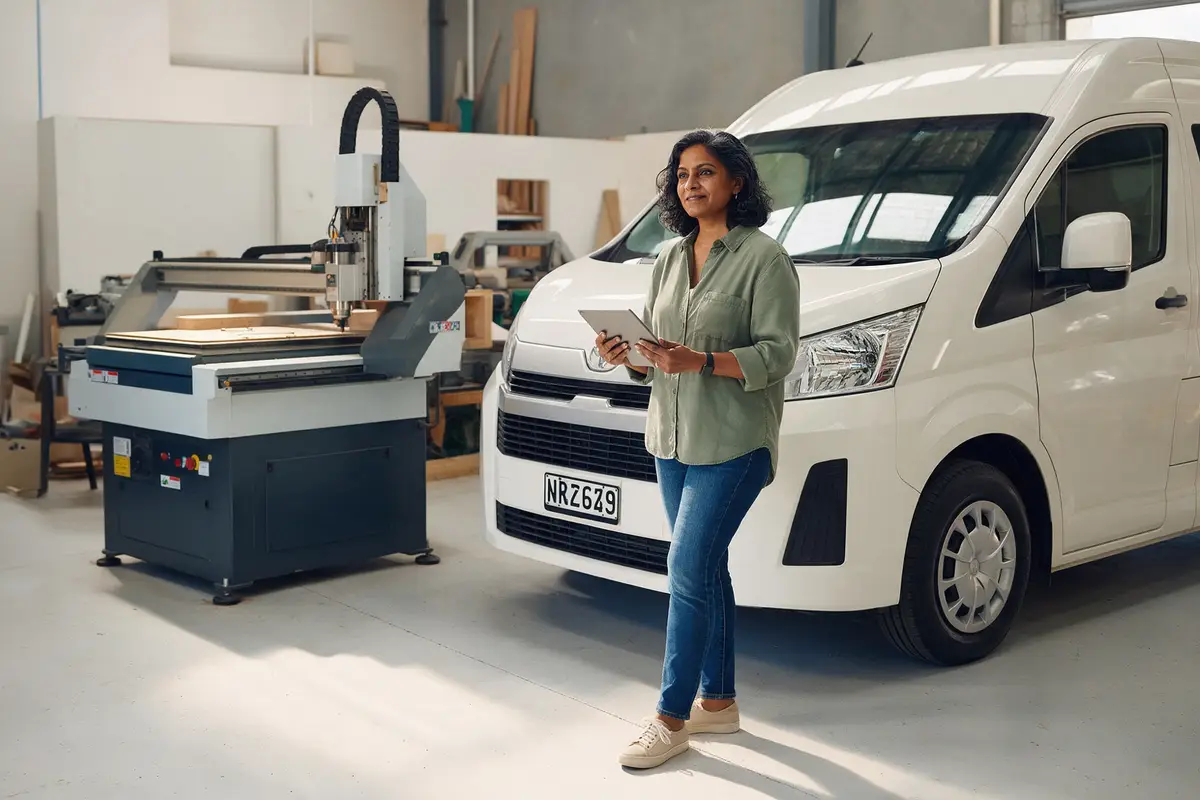
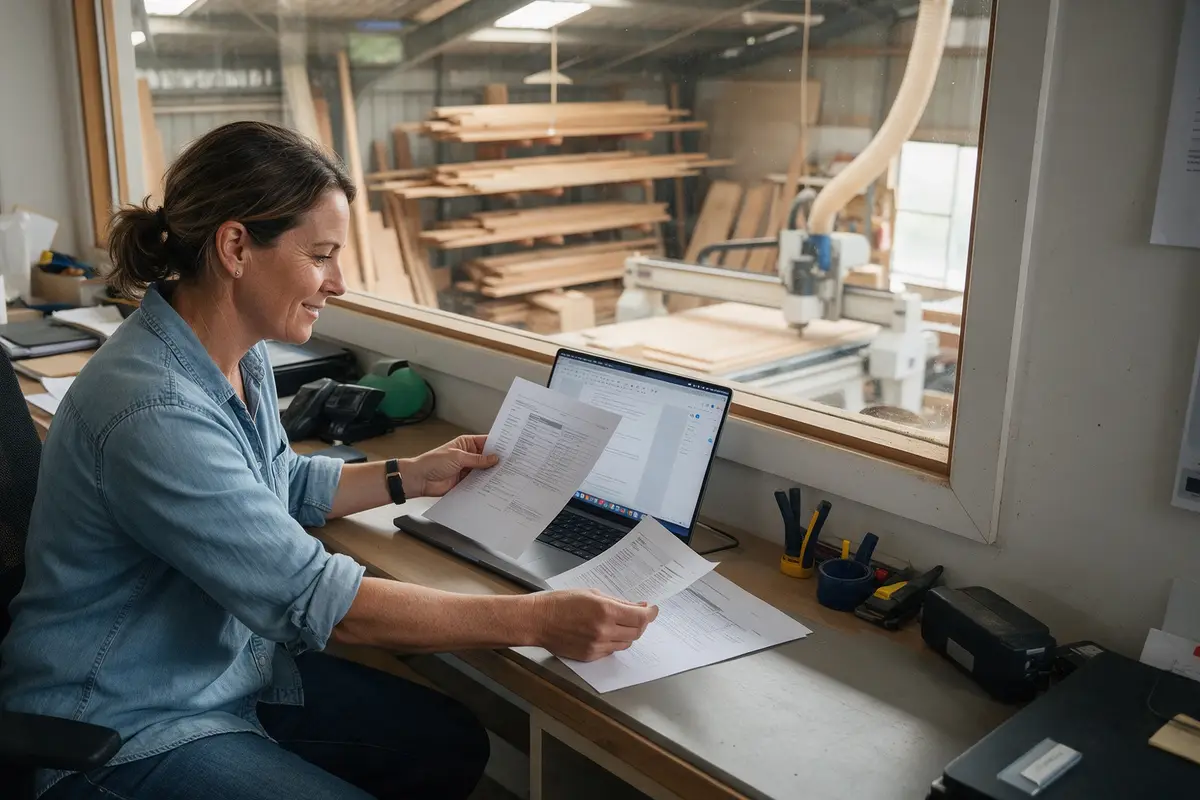
A Palmerston North joinery adding a used CNC router. The router is eight years old and coming from a business in Whanganui that’s closing. An asset lender wants an inspection and a short term. An unsecured loan lets the owner pay on the day and get the machine home before another buyer steps in.
A Northland marine business with mixed needs. A new work boat from a dealer, plus a trailer, safety gear and electronics from three suppliers. Asset finance for the boat, an unsecured loan for the rest.
All illustrative scenarios, not real clients.
Next step
Tell us what you’re buying and who’s selling it, and an expert will tell you honestly which structure fits, then match you to the right lender. It’s free, takes about 30 seconds to start and doesn’t mark your credit file. Apply now or call 09-888 5252.