The short answer
A $100,000 business loan in NZ can be unsecured if your business has solid, steady trading history, or secured by a 1st or 2nd mortgage if you own property. At six figures, lenders look more closely at cash flow, existing debt and your IRD position. LoansOne arranges $20,000 to $500,000, with next-day funding possible in many cases.
Is $100,000 a big business loan in New Zealand?
For most Kiwi small businesses, $100,000 is a meaningful step up. It’s rarely about one purchase. More often it funds a shift in the business: a second crew, a bigger contract, a proper refit or clearing a debt that’s been hanging around too long.
For lenders, six figures is also a step up. At $50,000, a lender can often decide on a few months of bank statements and a quick credit check. At $100,000, they want a bit more confidence that the business can carry the repayments through a quiet patch, not just a good month.
That doesn’t make it hard to get. It just means the right preparation and the right lender matter more.
What do businesses use $100,000 for?
Common uses at this size look different from smaller loans:
- Taking on a second crew or team. Vehicle, tools and wages for the first few months.
- Mobilising for a big contract. Materials, hire gear and labour before the first progress payment lands.
- A proper fit-out or refurbishment. A café kitchen rebuild, a clinic refit, a showroom upgrade.
- Clearing tax debt. Wiping out GST, PAYE or income tax arrears in one go, so penalties and interest stop building.
- Consolidating expensive short-term debts into a single, more manageable repayment.
- Buying out a small partner stake or the assets of a competitor who’s retiring.
- Pre-season build-up for seasonal businesses such as tourism, horticulture and contracting.
Unsecured or secured: which works better at $100,000?
This is the crossover amount. Many established businesses can borrow $100,000 unsecured, but plenty of owners choose property security because it can be quicker, sharper and less paperwork-heavy.
| Unsecured business loan | 2nd mortgage over property | |
|---|---|---|
| Security | None in most cases | Your property, behind the bank’s first mortgage |
| What the lender relies on | Business bank statements and cash flow | Property value and your equity |
| Financial records | Bank statements, sometimes financials | No cash flow or financial records needed |
| Credit history | Matters more | Bad credit considered |
| Pricing | Generally higher, reflecting the risk | Generally sharper, reflecting the security |
| Best for | Established businesses with steady income | Owners with equity who want speed or have patchy records |
You can read more on each option on our unsecured business loans and second mortgages pages, or see the full side-by-side in unsecured business loan vs second mortgage.
What changes when you borrow six figures?
At $100,000, expect lenders to look a little deeper at an unsecured application:
- More history. A longer run of bank statements to see how income holds up through slower months.
- Existing commitments. Other loans, asset finance, leases and any merchant cash advances.
- Tax position. Whether GST, PAYE and income tax are up to date, or under an arrangement with Inland Revenue.
- Financial statements. Some lenders ask for the latest annual accounts or management accounts at this size.
- Purpose. A clear plan for how the money will be used and how it will pay its way.
None of this should put you off. It’s simply the lender making sure the loan helps rather than hurts. If your paperwork is behind, a property-secured loan avoids most of it, because the lender is relying on the property.
Want to check your position before you apply? Try our loan readiness check.
Can you split $100,000 across different loans?
Often the smartest way to raise $100,000 is not as a single loan. If part of the spend is a vehicle or machine, it can be cheaper and simpler to fund that piece separately.
A typical split might look like:
- $45,000 asset finance for a new ute or a used excavator, with the asset as security registered on the PPSR.
- $55,000 unsecured loan or 2nd mortgage for tools, materials and working capital that an asset lender won’t fund.
Matching each part of the spend to the right type of finance means you’re not paying unsecured pricing on an asset that could have secured itself. Our asset finance page explains how that side works.
What could $100,000 look like in practice?
These are illustrative scenarios, not real clients.
A Christchurch electrical contractor wins a commercial fit-out. The job is worth several times the loan, but the first progress claim won’t be paid for six weeks. The contractor needs to buy cable, switchboards and fittings upfront and put two extra electricians on. A $100,000 unsecured loan, assessed on three years of steady bank statements, funds the materials and wages until the claims start flowing.
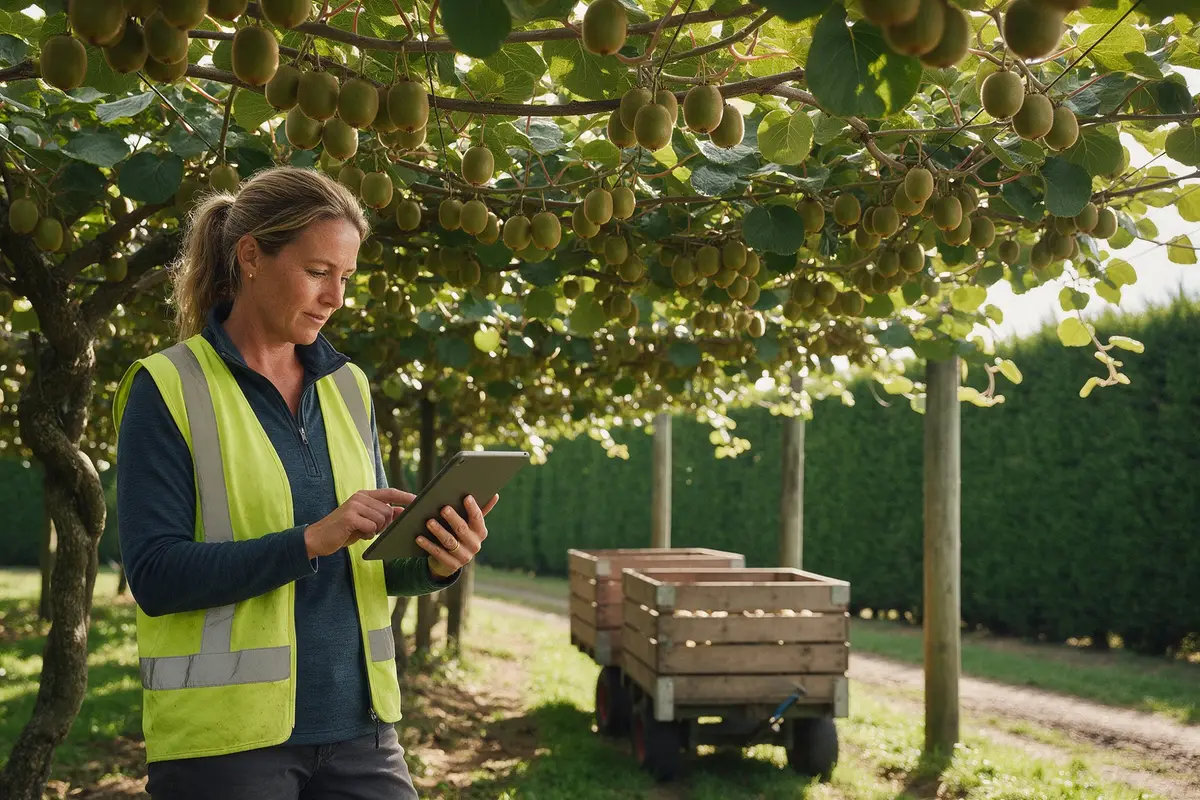
A Bay of Plenty kiwifruit contractor gears up for harvest. Every autumn the business needs to hire pickers, service vehicles and fund fuel and accommodation weeks before growers pay. The owner uses a $100,000 second mortgage over a rental property, with no financial records required, and repays it as harvest payments arrive.
A Rotorua tourism operator refurbishes before summer. The owner wants to upgrade a visitor centre and replace a minibus ahead of the peak season. Asset finance covers the minibus, and a $60,000 unsecured loan covers the refurbishment.
An Invercargill engineering workshop clears IRD arrears. After a slow year, GST and PAYE arrears have built up and penalties are adding to the balance. A $100,000 loan clears Inland Revenue in full, and the owner moves to one predictable repayment. Our IRD debt loan page explains how this works.

Can you borrow $100,000 with bad credit?
It’s possible, but the route matters. At six figures, unsecured lenders are cautious about recent defaults, judgments or arrears, because there’s nothing to fall back on if things go wrong. An older, explained default alongside strong recent bank statements may still get through. Several fresh ones usually won’t.
Property changes the picture. Our 1st and 2nd mortgages for business purposes run from $20,000 to $500,000, consider bad credit and need no cash flow or financial records, because the lender is relying on your equity. For many owners with a credit blemish, that’s the most direct path to $100,000.
The worst approach is to apply to several unsecured lenders at once and hope one says yes. Each declined application can leave a mark that makes the next one harder. One enquiry, matched to a lender who suits your situation, protects your file. For more detail, see bad credit business loans.
How do you get $100,000 approved fast?
- Pull together your bank statements for your main business account, plus any other accounts the business uses.
- Write down your existing debts: lender, balance and repayment for each.
- Check your IRD position and have any arrangement details ready.
- Be specific about the purpose. Break the $100,000 down, even roughly.
- Know your property details if you’re open to a secured option: address, owner and what’s owed to the bank.
- Make one enquiry. Starting with LoansOne doesn’t mark your credit file, and an expert matches you to the right lender instead of sending your application to everyone.
With that ready, next-day funding is possible in many cases.
Is $100,000 the right number?
Before settling on $100,000, run a few scenarios through our business loan calculator. Look at shorter and longer terms, and think about how long the money takes to earn its keep.
If you only need part of it now, a smaller loan may do the job; see our page on a $50,000 business loan. If you’re planning something bigger, such as buying premises or a business, our $250,000 commercial loan page covers what changes at that level.
How is a $100,000 business loan priced?
Every loan is priced on your individual circumstances. The big factors are whether it’s secured or unsecured, the strength and consistency of your cash flow, your existing debts, your credit history and the term. We don’t publish a one-size-fits-all rate. An expert matches you to the right lender and works to get you the sharpest rate available for your situation.
Next step
At six figures, the right lender makes all the difference. Starting is free, takes about 30 seconds and doesn’t mark your credit file. Apply in about 30 seconds or call 09-888 5252 to talk through your $100,000 options with an expert.