The short answer
A $250,000 commercial loan in NZ is usually secured by a 1st or 2nd mortgage over property, though well-established businesses with strong cash flow can sometimes borrow it unsecured. Lenders focus on security, existing debt and how the loan will be repaid. LoansOne arranges $20,000 to $500,000, with property-secured loans needing no financial records.
What is a $250k commercial loan typically used for?
A quarter of a million dollars isn’t working capital for a quiet month. At this size, the money is usually funding something that changes the shape of the business. In New Zealand, the most common reasons include:
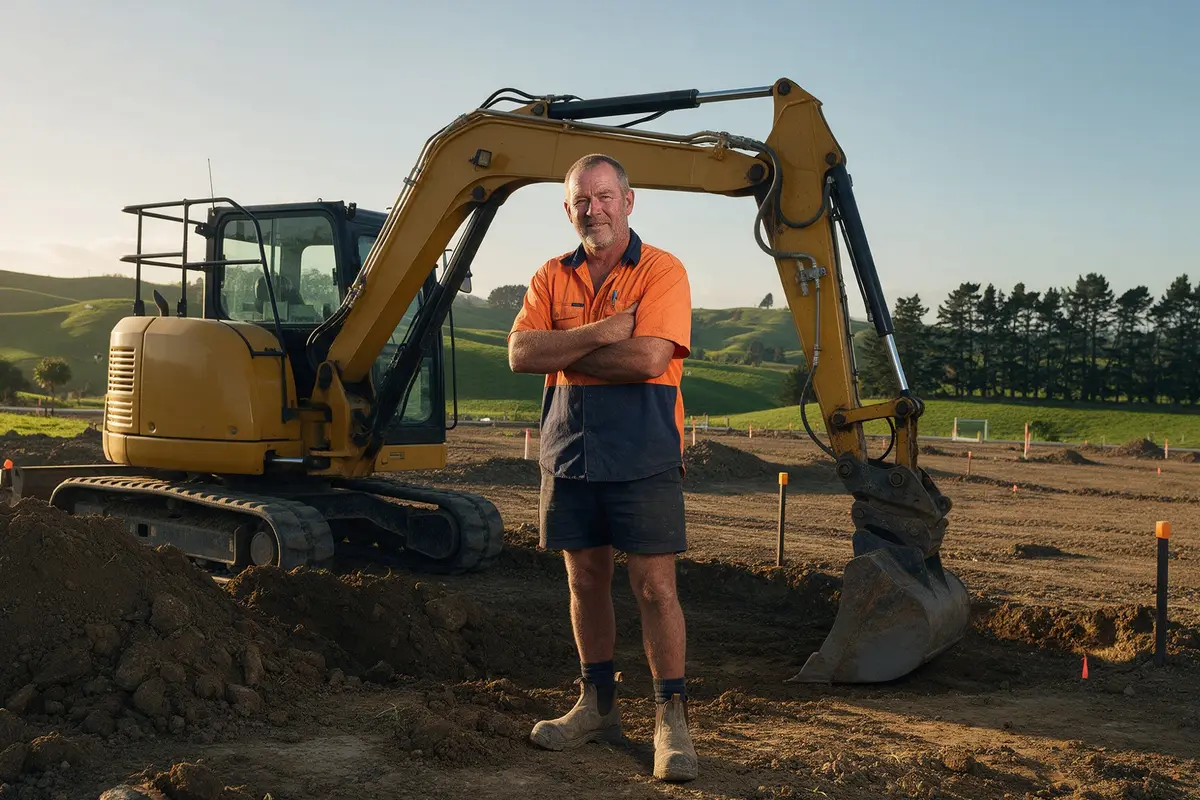
- Major plant and machinery. An excavator, a CNC machine, a packing line or a refrigerated truck.
- Mobilising for a large contract. Subdivision civil works, a commercial build, a big export order.
- Buying a business or a partner’s share. Funding the deposit, the full price of a smaller business, or a partner exit. See business acquisition finance.
- Buying premises. Funding the deposit on a workshop or warehouse through equity in other property.
- Clearing a large IRD debt before penalties, interest and enforcement action pile up.
- Refinancing away from a bank that has asked for its loan to be repaid or reduced.
- A full refit or expansion, such as opening a second site.
Because these are bigger, longer-lasting moves, the way the loan is structured matters as much as the amount.
Can you borrow $250,000 without property security?
Sometimes, yes. Unsecured lenders do arrange loans of this size for well-established businesses, with no real estate security required in most cases. But the bar is higher than at $50,000 or $100,000.
At $250,000 unsecured, lenders generally want:
- several years of trading with strong, consistent turnover,
- recent financial statements and possibly management accounts,
- modest existing debt and a clean track record of repayments,
- GST, PAYE and income tax up to date or under arrangement,
- personal guarantees from the directors.
If your business ticks those boxes, an unsecured business loan keeps your property out of it. If not, property security is usually the faster, more certain route.
How does property security change a $250,000 loan?
Once property is involved, the lender is mainly assessing the property and your equity in it rather than every line of your accounts. That’s why our 1st and 2nd mortgages for business purposes need no cash flow or financial records, and bad credit is considered.
There are two ways to use property:
- A 2nd mortgage sits behind your existing bank loan. The bank stays exactly where it is, and the new lender lends against the remaining equity.
- A 1st mortgage applies where the property is freehold, or where the new lender repays the bank and takes first position.
How equity works, in plain terms. Equity is the property’s value minus what’s owed on it. Lenders will only lend up to a set proportion of the property’s value across all mortgages combined, so the useful equity is less than the raw figure. Our equity calculator gives you a quick estimate before you apply.
Which structure suits a $250,000 loan?
There are usually several ways to raise $250,000. Here’s how the main structures compare.
| Structure | How it works | Suits | Watch for |
|---|---|---|---|
| Unsecured business loan | Assessed on business cash flow and financials | Established, profitable businesses with low existing debt | Deeper paperwork, director guarantees |
| 2nd mortgage | Borrow against equity behind your bank | Owners with equity who want speed and to keep the bank untouched | Combined lending against the property |
| 1st mortgage | Lend against freehold property or refinance the bank | Freehold owners, or bank exits | Plan to refinance or repay |
| Blend: asset finance plus mortgage | Asset finance for plant, mortgage for the rest | Machinery-heavy purchases plus working capital | Two lenders to coordinate |
The blended approach is often underrated. If $150,000 of the spend is a machine, heavy equipment finance can fund it with the machine as security, leaving a smaller mortgage to cover everything else.
What will a lender check at $250,000?
For a property-secured loan:
- the title, through LINZ, and who owns the property,
- a valuation or recent evidence of value,
- the balance and lender of any existing mortgage,
- your exit plan if the loan is short term,
- photo ID for owners and guarantors.
For an unsecured loan:
- business bank statements over a longer period,
- financial statements and, often, current management accounts,
- a schedule of existing loans, leases and asset finance,
- your tax position with Inland Revenue,
- aged debtors and creditors in some cases.
Either way, a clear explanation of what the $250,000 is for and how it will be repaid makes a big difference to speed.
Why does the exit plan matter so much?
Many $250,000 private loans are short to medium term, designed to solve a problem quickly. Lenders want to know how the loan ends. Good exit plans are specific:
- “Refinance to the bank once our annual accounts are signed off.”
- “Repay from the sale of our second property, already listed.”
- “Repay from the final contract payment due at practical completion.”
- “Pay down from harvest income in autumn.”
A vague exit makes lenders nervous. A clear one makes a fast approval much more likely. If you’re comparing private and bank finance for this, see bank vs private lender.
What could $250,000 look like in practice?
These are illustrative scenarios, not real clients.
A Hamilton earthmoving contractor lands a subdivision job. The contract needs a second excavator and a tip truck on site within three weeks, plus fuel and wages before the first monthly claim. Heavy equipment finance covers the excavator. A $250,000 second mortgage over the owner’s home and yard funds the truck, fuel and labour, with the exit coming from contract payments.
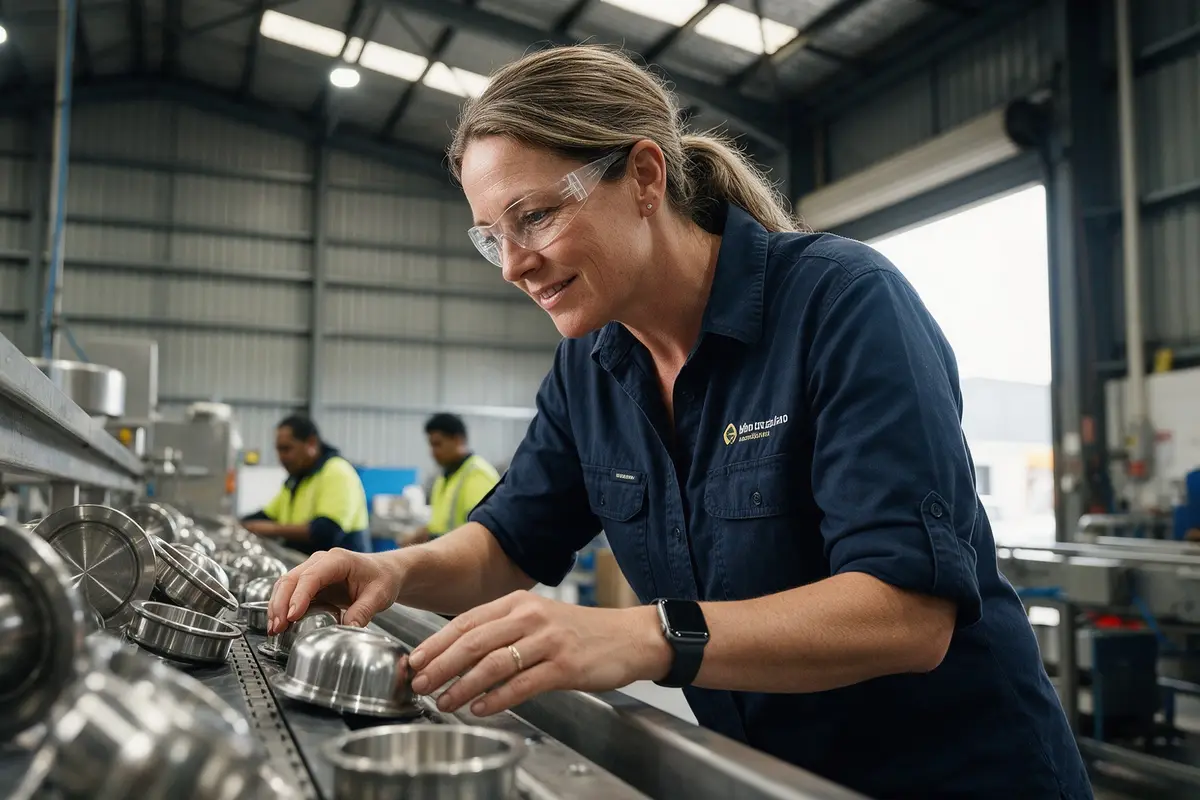
An Auckland manufacturer wins a large export order. Raw materials must be bought upfront and the customer pays 90 days after shipping. The bank’s overdraft won’t stretch far enough. A first mortgage over the company’s freehold factory funds the materials and extra shifts, and is repaid when the export payment arrives.
A Queenstown restaurant refits before winter. The owner wants the kitchen and dining room rebuilt between the autumn shoulder season and the ski season. Timing is everything. A property-secured loan settles within days, the builders start on schedule, and the doors reopen for the winter crowds.
A Marlborough vineyard contractor clears tax and upgrades gear. After expanding quickly, the business owes Inland Revenue and needs a new harvester service and tractors. A $250,000 loan clears the IRD debt and funds the gear in one go. Our IRD debt calculator shows how fast tax debt can grow if left alone.

How do you get $250,000 approved quickly?
- Decide on the security first. If you’re open to property, have the address, owner and existing mortgage details ready.
- Break down the spend. Machine, materials, wages, tax. Each part may suit a different type of finance.
- Write your exit plan in a sentence or two.
- Gather ID for everyone involved, including guarantors.
- Start one enquiry. It’s free, takes about 30 seconds and doesn’t mark your credit file. An expert reviews it and matches you to the right lender, rather than sending your details to dozens.
Is $250,000 the right amount?
Before you settle on a figure, test a few loan terms through our business loan calculator. If you need less, our $100,000 business loan page covers the six-figure entry point. If the project is bigger, the $500,000 business loan page explains what changes at the top of our range.
How is a $250,000 commercial loan priced?
Every loan is priced on your individual circumstances. The main drivers are the security, how much you’re borrowing relative to the property’s value, whether it’s a 1st or 2nd mortgage, the strength of the business, your credit history and the term. Lower borrowing against a strong property usually means sharper pricing. We match you to the right lender and work to get the sharpest rate available for your situation.
Next step
At $250,000, timing and structure can make or break the opportunity. Starting is free, takes about 30 seconds and doesn’t mark your credit file. Apply in about 30 seconds or call 09-888 5252 to map out the best structure with an expert.