The short answer
To get equipment finance in NZ, get a quote or tax invoice for the item, choose a structure such as hire purchase, a secured loan or a lease, check any private sale on the PPSR, then apply with ID, bank statements and the asset details. The lender usually takes security over the equipment and pays the seller directly.
How does equipment finance work in New Zealand?
Equipment finance lets your business use a machine, vehicle or piece of gear now and pay for it over time. In most cases the equipment itself is the main security. The lender registers a financing statement on the Personal Property Securities Register (PPSR), which records its interest in the asset until the loan is repaid.
Because the asset backs the loan, equipment finance is often easier to get than a general business loan of the same size. The lender knows what it is lending against and roughly what it would be worth if things went wrong. That is also why the type, age and resale value of the equipment matter so much to the outcome.
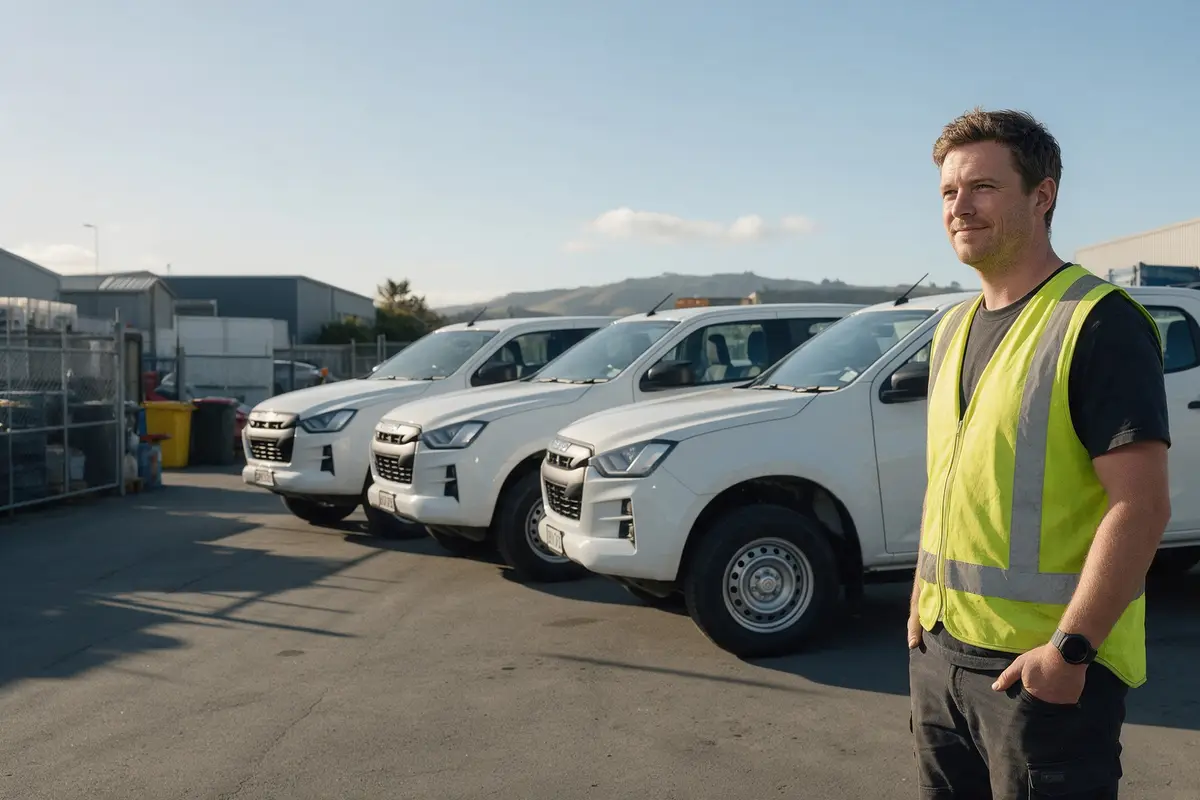
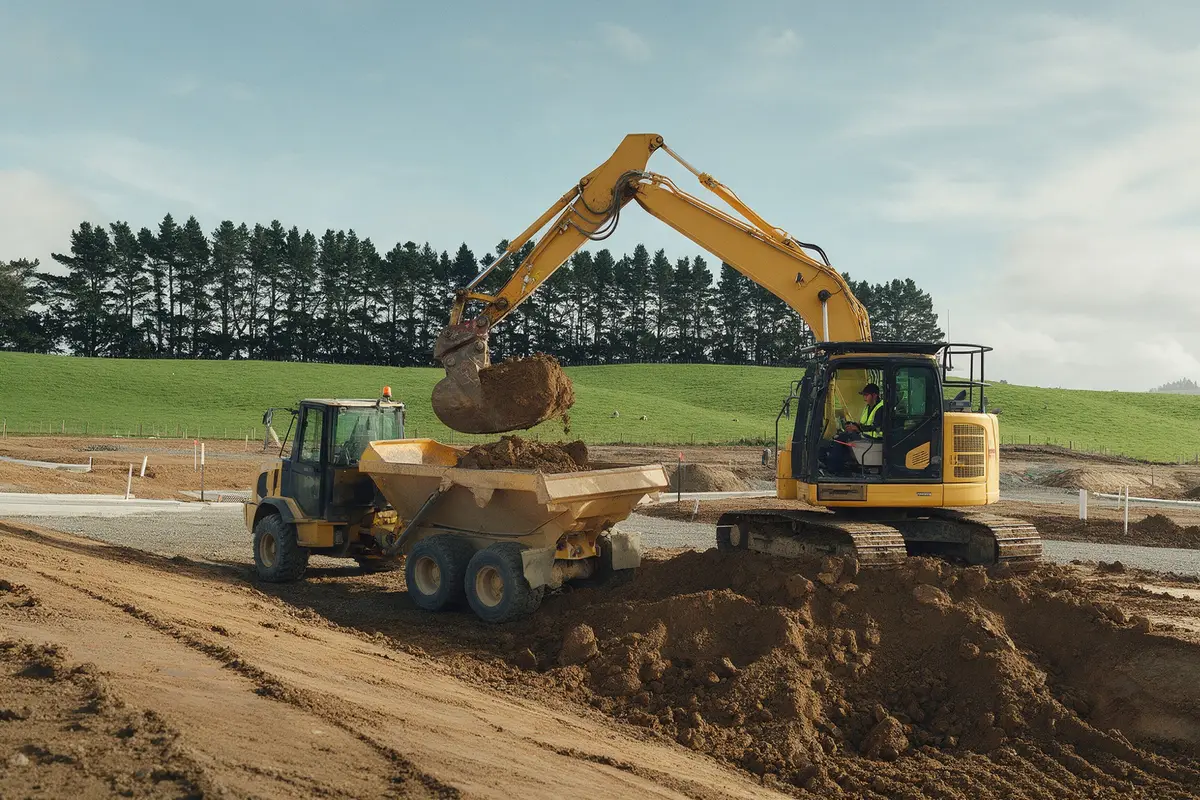
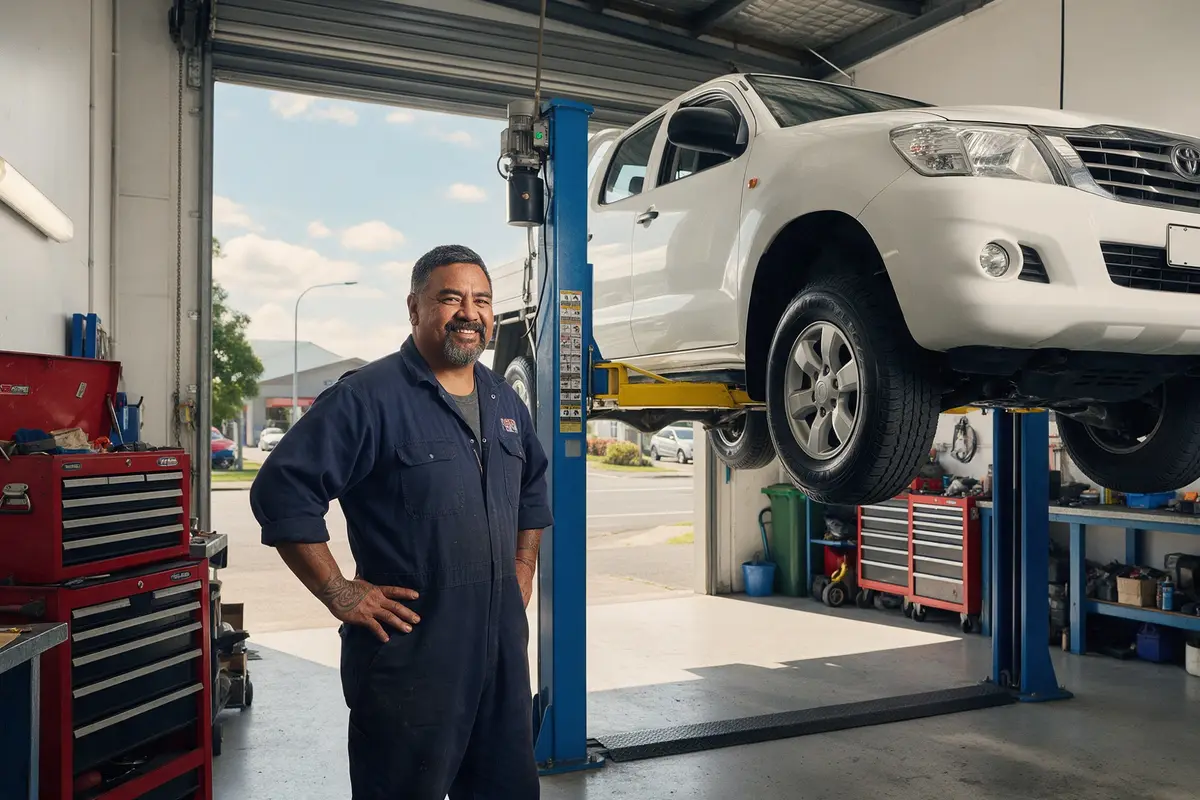
It covers almost anything a business uses to earn money: utes, vans and trucks, excavators and tractors, commercial kitchen gear, hoists and diagnostic tools, IT hardware, printing presses and CNC machines. It is for business use only, not personal vehicles.
What equipment finance options are there?
The word “equipment finance” covers a few different structures. Knowing which one you are being offered avoids surprises later.
| Structure | Who owns the equipment | Typical use | Good to know |
|---|---|---|---|
| Hire purchase | You, from the start for tax purposes | Most business equipment and vehicles | GST on the full price can usually be claimed upfront |
| Secured loan over the asset | You, with the lender’s interest on the PPSR | Dealer or private purchases | Flexible, often allows a balloon payment |
| Finance lease | Lender on paper, you use it | Larger fleets and plant | Tax treatment differs, ask your accountant |
| Operating lease | Lender, returned at the end | Tech and gear that dates quickly | Payments are a running cost, no ownership |
| Unsecured business loan | You, outright with no lien | Older, unusual or hard-to-value assets | No PPSR charge on the asset itself |
Our asset finance page explains secured structures in more depth, and asset finance vs an unsecured loan compares the two main routes side by side.
Step 1: Pin down the equipment and get a proper quote
Lenders fund specific assets, so you need specific details. Ask the seller for a quote or tax invoice showing:
- make, model and year
- serial number, VIN or registration
- price, with GST shown separately
- the seller’s GST number, if they are registered
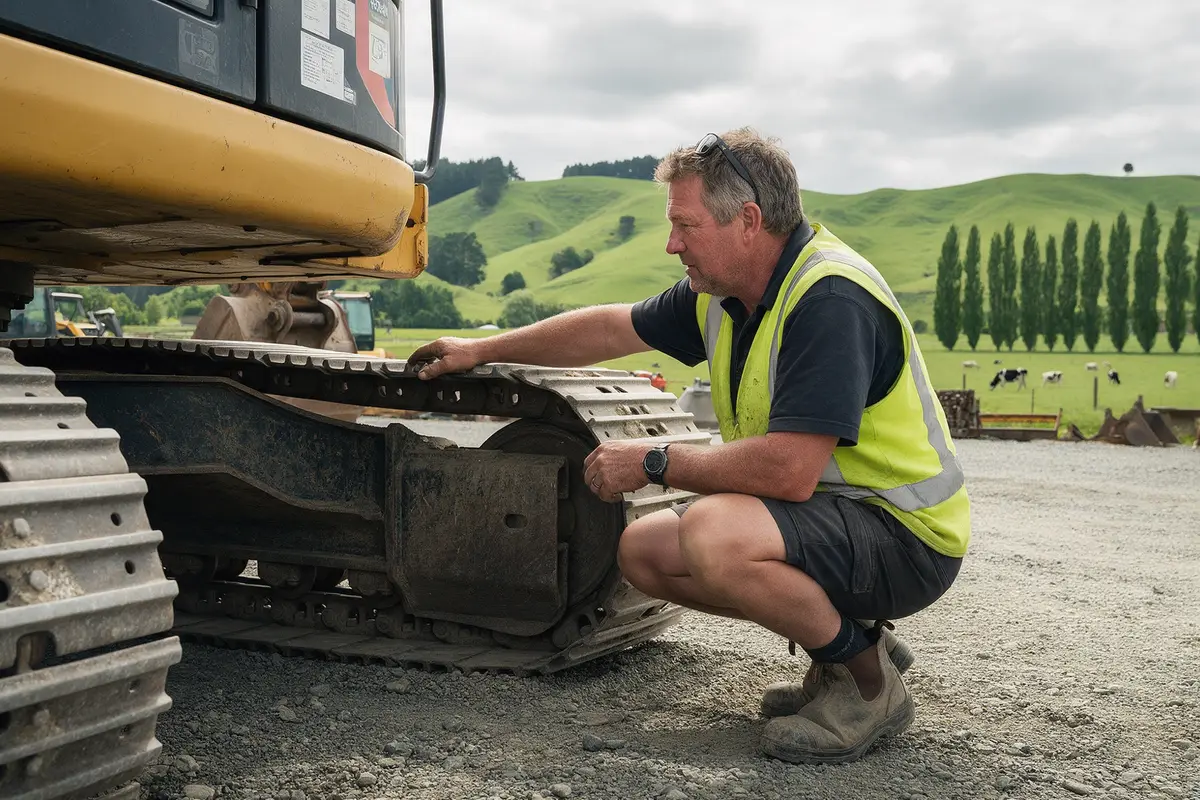
For new equipment from a dealer, this is easy. For used gear, ask for hours on the clock and any service history too. Older, high-hour machinery is still financeable, but lenders look harder at its remaining life.
Step 2: Check a private sale on the PPSR
This is the step most people skip, and it can be costly. If you buy privately and the seller still owes money on the machine, the existing lender’s security interest can stay attached to the asset. A PPSR search on the serial number or VIN, done on the official PPSR website, shows whether anything is registered against it.
If a security interest shows up, it does not kill the deal. It just means the seller’s debt must be paid out at settlement, which your lender will normally organise as part of paying the seller.
Step 3: Choose the right structure
Match the structure to how you will use the equipment:
- Keeping it for years? Hire purchase or a secured loan builds ownership.
- Upgrading every few years? A lease may suit, especially for tech.
- Old, unusual or hard to value? An unsecured loan avoids the lender worrying about the asset.
- Want lower regular repayments? Ask about a balloon (residual) payment at the end, but plan how you will pay it.
Step 4: Work out the deposit and repayments
A deposit is not always required. Strong applicants buying popular, easy-to-sell equipment can sometimes finance the full price. A deposit or trade-in helps when the item is specialised or your credit history is bruised.
Run a few scenarios on our business loan calculator to see what term keeps repayments comfortable. As a rule, try to finish paying for equipment well before it needs replacing. Pricing depends on the asset, its age, the term, your credit history and how long you have been trading. Every loan is priced on your circumstances, and the aim is always the sharpest rate available for your situation.
Step 5: Gather your documents
For most equipment finance, have these ready:
- driver licence or passport for each director
- NZBN and current Companies Office details
- recent business bank statements, usually the last six months
- the quote or tax invoice from Step 1
- for larger amounts, recent financial statements or a summary from your accountant
If your accounts are behind, say so up front. Some lenders lean more on the asset and your bank statements, and property-secured options need no financial records at all.
How do lenders assess an equipment finance application?
Lenders look at two things together: the asset and the business. On the asset side, they ask how easy it would be to sell, how quickly it loses value and whether its working life outlasts the loan term. A late-model ute or a popular excavator scores well. A one-off machine built for a single production line is harder to value, so lenders lean more on the business.
On the business side, they check your bank statements for steady turnover and existing commitments, your credit file, your time trading and whether the equipment will earn its keep. A new machine tied to a signed contract is a stronger story than a “nice to have”. If you can show the work the equipment will do, put it in your application.
Step 6: Apply and get matched to the right lender
Different lenders like different assets. Some are comfortable with yellow machinery and private sales, others prefer new vehicles from dealers. Applying to the wrong one wastes days and leaves an unnecessary enquiry on your credit file.
LoansOne reviews your application with an expert first, then matches you to a lender suited to the equipment and your situation. Your details are not sprayed around dozens of lenders, and starting an enquiry does not mark your credit file.
Step 7: Settle and take delivery
Once approved, you sign the loan documents, usually electronically. The lender then:
- pays the dealer or private seller directly, clearing any existing finance on the asset
- registers its interest on the PPSR
- notes its interest on your insurance, which you will need in place before settlement
Then the equipment is yours to put to work.
What tax benefits apply to financed equipment?
Two worth knowing about:
- GST: with hire purchase, a GST-registered business is generally treated as buying the goods at the start, so the GST on the full price can usually be claimed in that period’s return. At 15%, that is a meaningful cash boost.
- Investment Boost: for eligible new assets, or assets new to New Zealand, acquired from 22 May 2025, businesses can deduct 20% of the cost upfront and depreciate the remaining 80% as normal. Second-hand assets already used in New Zealand do not qualify, which can tip the new-versus-used decision.
Your accountant can confirm exactly how these apply to your purchase.

Example: a Hamilton earthmoving contractor buys a used digger
Picture a two-machine earthmoving business near Hamilton. A subdivision contract needs a third excavator, and the owner finds a well-maintained used 14-tonne machine for sale privately.
The owner gets a written sale agreement with the serial number, runs a PPSR search and finds the seller still has finance on it. The application goes in with six months of bank statements and the sale details. The lender approves, pays out the seller’s existing finance and the balance to the seller at settlement, registers its own interest, and the digger is on site the following week. Because the machine was already used in New Zealand, Investment Boost does not apply, but the depreciation still does. This scenario is illustrative, but it is a common pattern in construction and trades.
What if your bank says no?
Banks often decline equipment finance for reasons that have little to do with the asset: a short trading history, a past default, accounts that are not finalised. Non-bank lenders weigh things differently. An unsecured business loan of $20,000 to $500,000 can buy equipment outright, and a 1st or 2nd mortgage for business purposes, where bad credit is OK and no financial records are needed, can fund larger or more unusual purchases. For heavy plant, see our machinery finance page, and for utes, vans and trucks see equipment and vehicle finance.
Next step
Have a quote in hand? Apply in about 30 seconds to see if you qualify. It is free, it does not mark your credit file, and an expert matches you with a lender who understands your equipment. Next-day funding is possible in many cases. Or call 09-888 5252 and we will talk you through the best structure.