The short answer
Invercargill and Southland businesses can borrow $20,000 to $500,000 through LoansOne, either unsecured or secured by a 1st or 2nd mortgage over property. You apply online or by phone, an expert reviews your situation and matches you to a suitable lender, and next-day funding is possible.
What powers the Southland economy?
Southland is one of New Zealand’s most productive regions for its size, and its economy is built on things it grows, processes and exports.
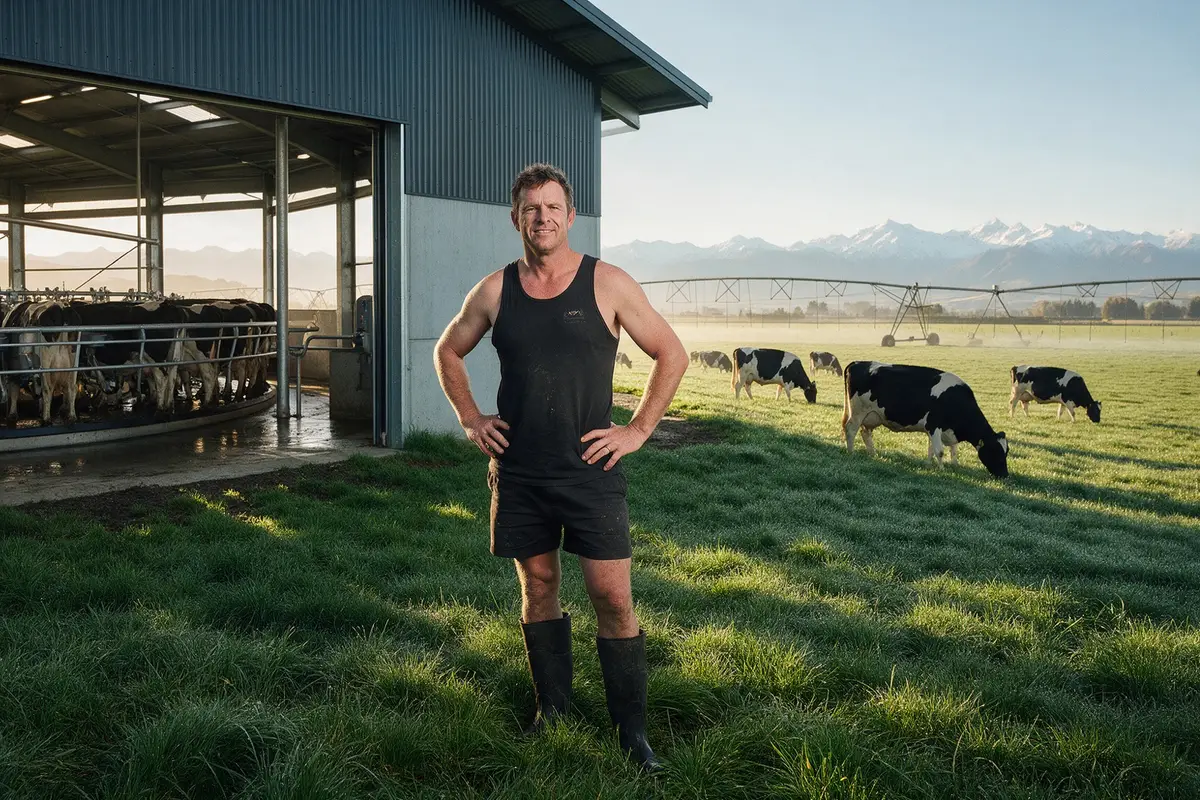
- Dairy. Southland’s dairy expansion over recent decades reshaped the region, and dairy farming, processing and the businesses that service it remain the biggest economic force.
- Sheep, beef and meat processing. Invercargill is home to the head office of one of the country’s largest meat processors, and processing plants remain major employers across the region.
- Aluminium. The Tiwai Point smelter near Bluff secured 20-year electricity agreements in 2024, keeping it running to 2044. At the time it was reported to employ about 1,000 people directly and support around 2,200 more jobs, contributing roughly 6.5% of Southland’s GDP.
- Port and seafood. South Port at Bluff handles the region’s exports, and Foveaux Strait supports a fishing and aquaculture sector, including salmon farming near Stewart Island and the famous Bluff oyster fishery.
- Forestry, engineering and transport. Plantation forests, a strong engineering base and long trucking routes link farms and factories to the port.
- Tourism. Te Anau, Fiordland and Stewart Island bring summer visitors through the region.
The upshot for lenders: Southland incomes are grounded in real production, but many businesses depend on a few big customers and a seasonal calendar.

Where Southland businesses trade
Invercargill’s rebuilt CBD around Esk, Dee and Tay Streets anchors the city’s retail, hospitality and professional services. Industrial and service businesses spread out along the main routes north and east, while Bluff, Gore, Winton, Riverton and Te Anau each have their own business mix: port services and fishing, rural supplies and engineering, farm contracting, and tourism.
What does the Southland business year look like?
| Time of year | What’s happening | Funding pressure |
|---|---|---|
| July to September | Dairy calving, lambing, winter grazing | Wages, feed, vet and contractor bills with low income |
| October to December | Silage and baling season begins, tourism lifts | Contractor machinery, repairs, seasonal staff |
| January to March | Peak silage and harvest, Te Anau and Stewart Island visitors | Fuel, parts, casual wages, IRD terminal and provisional tax |
| March to August | Bluff oyster season, meat processing through autumn | Boat and plant maintenance, working capital |
The Bluff oyster fishery shows how variable seasons can be. Recent seasons have been hit by poor quality and low catches, with one major harvester sitting out both the 2025 and 2026 seasons. Businesses tied to a single harvest need finance that copes with a bad year, not just a good one.
Why Southland property often goes further as security
Property values in Invercargill and much of Southland sit below those in the main centres. For a business owner, that often means a home or commercial building that is mostly or fully paid off, and real equity to work with.
That makes property-secured lending a strong option here. You can use a 1st or 2nd mortgage for business purposes from $20,000 to $500,000, with no cash flow or financial records needed. Bad credit is OK.
Which one depends on your current mortgage:
- If the property is debt-free or your bank loan is small, a private first mortgage can be simple and fast.
- If you have a good bank loan you want to keep, a second mortgage sits behind it and leaves it untouched.
Our first vs second mortgage comparison explains how ranking, cost and speed differ. The equity calculator gives a quick sense of how much you could access.
A Southland example: the Winton agricultural contractor
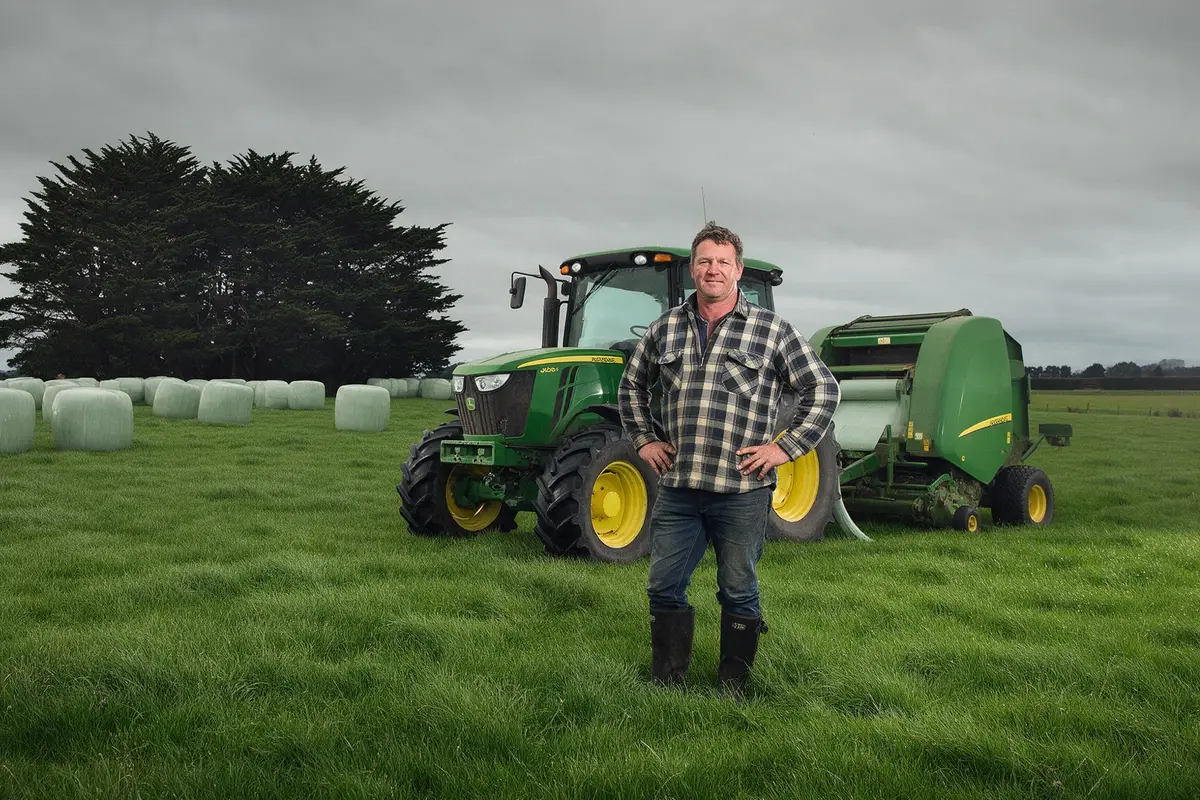
Picture an agricultural contracting business based near Winton. It runs balers, wrappers and a couple of tractors for local dairy and dry-stock farms. A key baler failed at the end of last season, and with silage season eight weeks away, the owner needs $180,000 for a replacement baler and wrapper, plus fuel and wages to get through the first month before farmers pay their accounts.
The business has had a lean year and owes some GST. The bank wants to wait for the annual accounts.
One realistic structure: a 2nd mortgage over the family home near Winton, which relies on equity rather than the lean year’s figures, combined with heavy equipment finance on the new machinery. If the GST arrears are building penalties, a GST debt loan could clear them at the same time. This is an illustrative scenario, not a real client.
What do lenders look for from a Southland business?
Southland lenders and their credit teams tend to focus on a few local realities:
- Customer concentration. Many contractors and engineering firms rely on one processor, the smelter or a handful of farms. Show that those relationships are steady, or that you’re widening your client list.
- Seasonal trading. Twelve months of bank statements tell the story better than three, because they show the quiet winter months alongside the busy ones.
- Distance and logistics. Freight costs and long travel times eat into margins, so be clear about how pricing covers them.
- IRD position. Up-to-date GST and PAYE help a lot. If you’re behind, say so early; it can be solved as part of the loan.
The Deep South, served by phone and online
LoansOne’s office is at 48 Shortland Street in Auckland, a long way from Invercargill, but that makes no difference to how quickly we work. We serve Southland by phone and online, and our farm business loans page shows the rural side of what we help with.
An expert reviews every application and matches you to the lender that suits your situation. Your details aren’t shopped around to a crowd of lenders, and starting an enquiry doesn’t mark your credit file. Every loan is priced on your individual circumstances, and we work to get the sharpest rate available for your situation.
Next step
Don’t let a broken machine, a slow payer or an IRD bill hold the business back. Apply in about 30 seconds or call 09-888 5252 to talk it through with the team.