The short answer
A franchise loan in NZ funds the costs of buying into a franchise: the franchise fee, fit-out, equipment, vehicles, initial stock and working capital. New franchisees usually need property security or asset finance, while existing franchisees can often borrow unsecured against their outlet's cash flow. LoansOne arranges $20,000 to $500,000 with fast decisions.
What does a franchise loan actually pay for?
Buying into a franchise is rarely a single cheque. The headline price is just one line in a longer list, and the costs land at different times. Before you talk to any lender, it helps to map out where the money goes:
- Franchise fee: the upfront cost of the licence to use the brand and system.
- Fit-out: shopfitting, signage, counters, flooring and electrical work for a site-based franchise.
- Equipment: kitchen gear, tools, computers, point-of-sale systems.
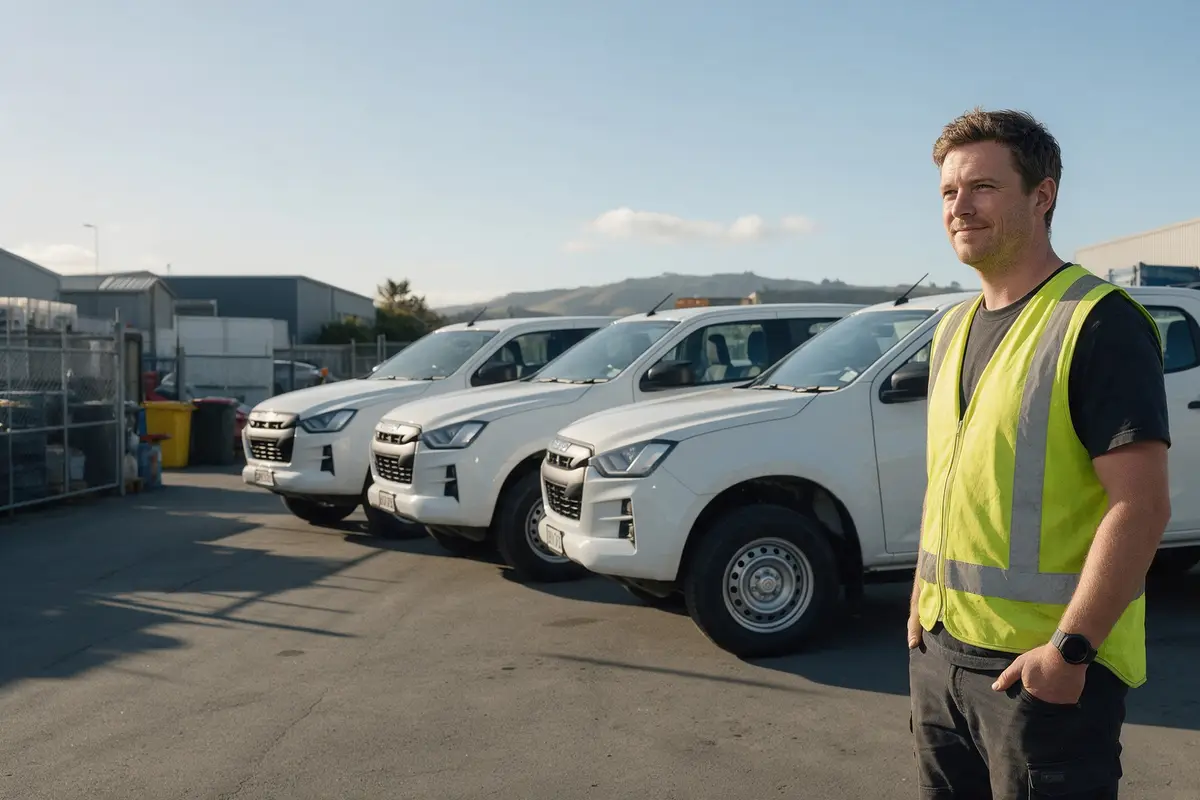
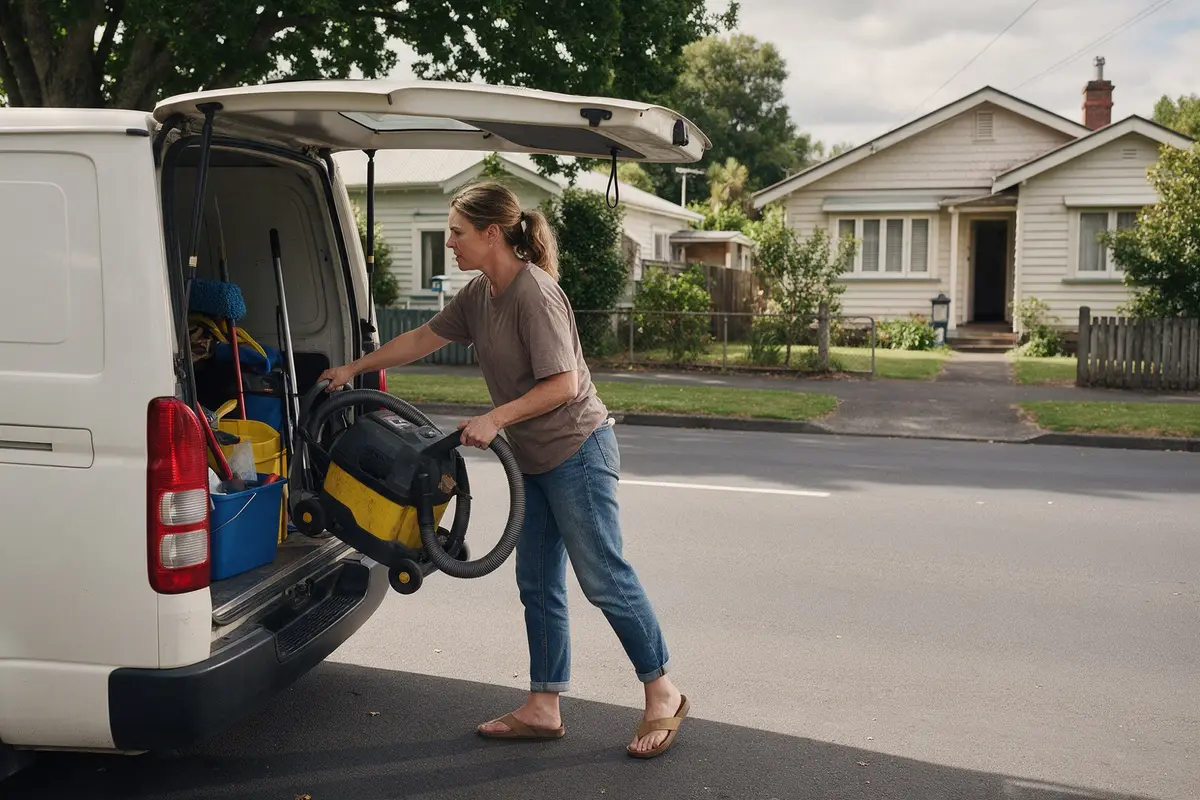
- Vehicles: vans or utes for mobile and home-services franchises.
- Opening stock: the first stock order, often set by the franchisor.
- Working capital: wages, rent, marketing levies and your own drawings while the outlet builds up.
- Resale price: if you’re buying an existing outlet from another franchisee, the price paid for the business and its goodwill.
Working capital is the one most often underestimated. A new outlet can take months to reach steady takings, and the rent, wages and franchise fees don’t wait. A loan that covers the fit-out but leaves you with no buffer can put you under pressure in the first quarter.
New outlet or existing franchise: how does the funding differ?
The single biggest factor in how a franchise is funded is whether the outlet has already traded. This table shows the difference.
| New outlet (greenfield site) | Existing outlet (resale) | |
|---|---|---|
| Trading history | None of its own | Real figures from the current franchisee |
| What lenders rely on | Your security and contribution | The outlet’s earnings plus your security |
| Typical funding | Own capital plus a property-secured loan, asset finance for vehicles and equipment | Own capital, loan against the business or property, sometimes vendor finance |
| Biggest risk | Ramp-up taking longer than forecast | Paying too much for goodwill, handover dip |
| Speed to fund | Fast with property security | Fast with property security, slower if relying only on business figures |
Buying a resale outlet is really a business purchase with a franchise agreement attached. Our page on business acquisition finance goes deeper on funding the purchase price, vendor finance and meeting finance condition dates.
Do lenders like franchises?
Some do. An established franchise system with a strong network, standardised costs and proper training gives a lender more to go on than a brand-new independent business. The franchisor’s own selection process also screens out some of the risk.
But be realistic. A franchise brand doesn’t change the basic question for a new outlet: there are no takings yet. That puts a brand-new franchise in a similar position to any startup business loan, where security or a solid contribution does the heavy lifting.
Where the franchise brand helps most is with a resale. If an existing outlet has a few years of steady figures inside a known system, lenders can assess it with confidence.
How do most Kiwi franchisees fund the buy-in?
The most common structure we see for first-time franchisees looks like this:
- Own capital for part of the franchise fee and set-up costs.
- A 2nd mortgage over the family home for the balance and a working capital buffer. The bank home loan stays in place, and no cash flow or financial records are needed because the lender relies on the property.
- Asset finance for any vans, utes or major equipment, with the asset as security.
Illustrative example: a Palmerston North couple buy a home-services franchise covering part of Manawatū. The franchisor requires a new van and specific equipment. Equipment and vehicle finance funds the van. A $65,000 second mortgage covers the franchise fee, the equipment package and three months of running costs while they build their client base.
How do you fund a franchise fit-out?
Fit-outs are the trickiest part of franchise finance. Once shelving, counters and plumbing are installed in a leased site, a lender can’t easily take them back and sell them. So fit-outs are usually funded in one of three ways:
- Property-secured lending. A fast second mortgage or first mortgage funds the fit-out, with the property as security. This is the most common route for new outlets.
- Unsecured lending against an existing outlet. If you already operate a franchise, its trading history can support a loan for the next site’s fit-out.
- Splitting out the movable gear. Ovens, coffee machines and other equipment with resale value can sometimes be funded separately through asset finance, reducing how much the rest of the loan needs to cover.
Illustrative example: a franchisee opening a food outlet in a suburban Auckland shopping centre faces a shopfitting bill, a kitchen package and an opening stock order, all due before the doors open. A first mortgage over an investment property they own funds the lot in one hit, so the shopfitters aren’t kept waiting and the opening date set by the franchisor holds.
Running a café or restaurant franchise? Our hospitality business loans page covers seasonal swings and refurbishments in more detail.
Can your first outlet fund your second?
Growing from one outlet to two or three is where franchisees often find finance easiest. Your first outlet now has something a new franchisee doesn’t: a bank account full of evidence.
An unsecured business loan assessed on your existing outlet’s cash flow can fund the next site without property security in most cases. Lenders will look at:
- how steady the takings are week to week,
- existing loans and lease commitments,
- whether the business is up to date with GST and PAYE,
- whether the first outlet can carry the repayments while the second one ramps up.
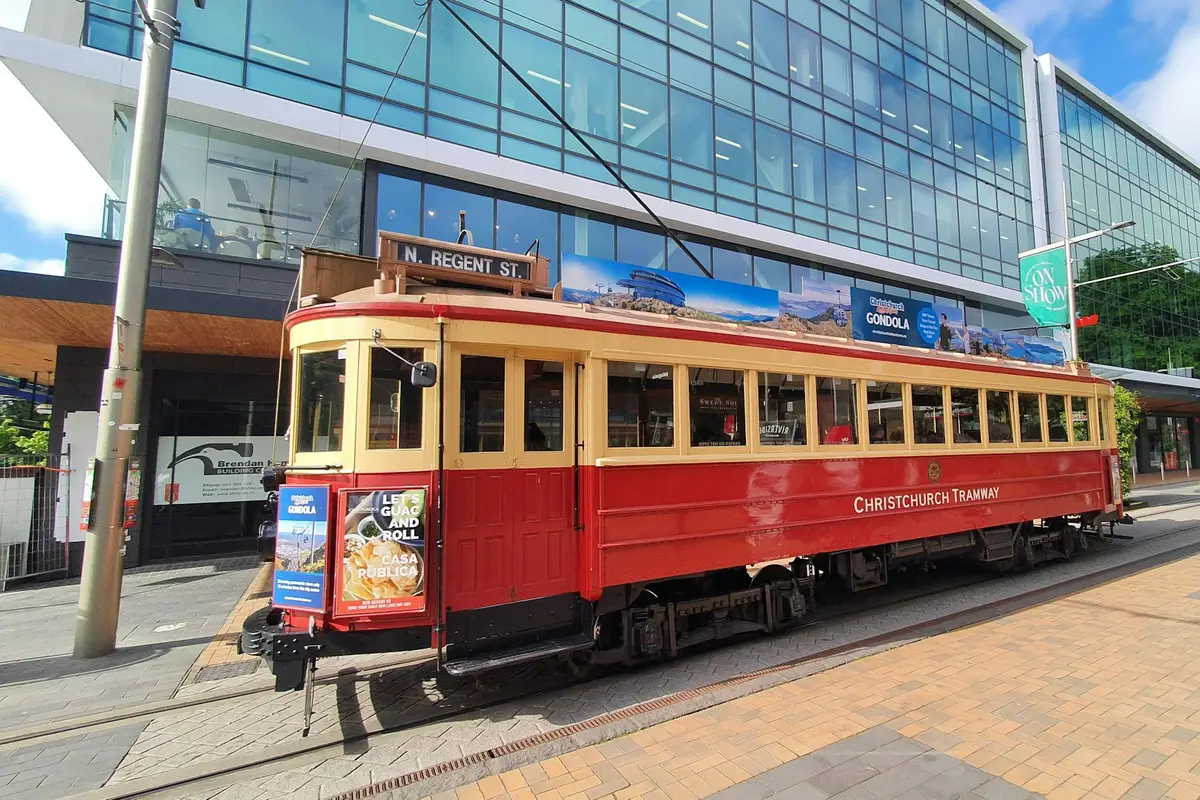
Illustrative example: a Christchurch franchisee has run a busy takeaway outlet for three years and the franchisor offers them a second territory. Their bank statements show steady takings, so an unsecured loan funds the fit-out and working capital for the new site, keeping their home completely out of the deal.
What do franchisors expect from your finance?
Franchisors want franchisees who are properly funded, because an under-capitalised outlet hurts the whole network. Before approving you, many will want to see:
- evidence of your own capital or equity,
- a budget that includes working capital, not just set-up costs,
- confirmation of finance, or at least a clear path to it, before you sign,
- that you can meet their opening timetable.
Getting your finance sorted early puts you in a stronger position with the franchisor and avoids a last-minute scramble. If you want a quick view of which loan type suits your situation, try our loan matcher.
What finance mistakes do new franchisees make?
The same handful of problems come up again and again. Most are avoidable with a little planning.
- Budgeting only for the set-up. The franchise fee and fit-out get all the attention, then the outlet runs short on wages in month two. Build in a working capital buffer from the start.
- Forgetting GST timing. You’ll pay 15% GST on the fit-out and equipment upfront and claim it back later. That timing gap can be significant on a big fit-out. Our GST calculator helps you size it.
- Using expensive short-term debt for long-term costs. Fast private finance is ideal for hitting an opening date, but have a plan to refinance onto longer terms once the outlet is trading.
- Leaving finance until after signing. Talk to a lender before you commit, so the franchise agreement and your funding line up.
- Applying everywhere at once. Multiple applications can leave multiple marks on your credit file. One enquiry with a team that matches you to the right lender is cleaner.
How are franchise loans priced?
Every loan is priced on your individual circumstances. The main drivers are the security offered, how much you’re borrowing relative to that security, whether the outlet is new or already trading, your credit history and the loan term. Property-secured loans usually price more sharply than unsecured ones. We match you to the right lender for your situation and work to get the sharpest rate available, rather than sending your application to a long list of lenders.
Next step
Whether you’re buying your first franchise or adding another outlet, having finance lined up early makes every conversation with the franchisor easier. It’s free, takes about 30 seconds and doesn’t mark your credit file. Apply in about 30 seconds or call 09-888 5252 to talk it through with an expert.